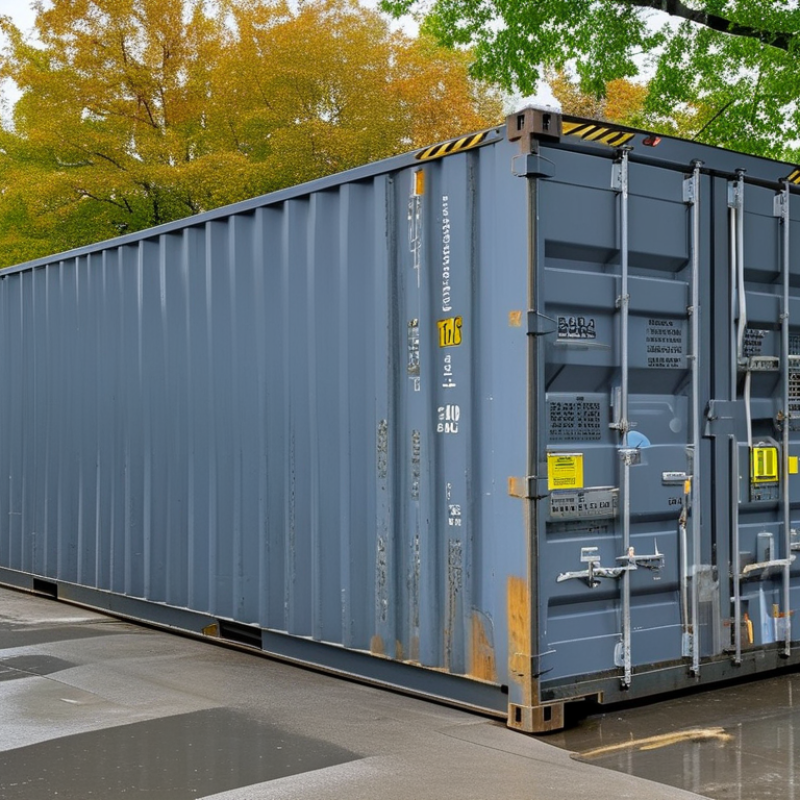
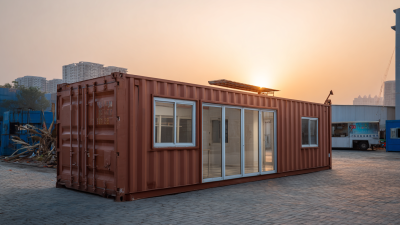
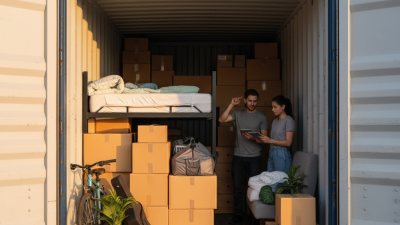
Choosing the right 10ft storage container in 2026 requires more than comparing online prices. Global buyers must examine steel condition, weather resistance, delivery access, and supplier reliability. A compact container can fit behind a shop, beside a home, or on a restricted construction site. However, its smaller footprint does not remove practical risks.
Marc Levinson, an economist and author of The Box, observed, “The container made the global economy possible.” His insight remains relevant for buyers selecting smaller units today. A 10ft storage container can protect tools, seasonal stock, machinery parts, or archived business records. The result depends on sound construction and careful site planning.
Look closely at door alignment, floor strength, roof seams, locking bars, and internal moisture marks. Ask for recent photographs, dimensions, payload details, and a written inspection record. Confirm whether the unit is new, one-trip, refurbished, or used. These descriptions vary between suppliers. They should not be treated as identical.
Delivery matters too. A ten-foot unit may still require a suitable truck, lifting space, and stable ground. Check local planning, safety, transport, and installation requirements before payment. Requirements differ by country and sometimes by city.
No guide is perfect.
A low purchase price may conceal repainting, weak flooring, or expensive unloading. Buyers should also question whether a standard door opening suits their largest stored item. That small oversight can become costly. This guide compares leading 10ft storage container options for global buyers, while recognizing that climate, budget, and intended use change the best choice.
A 10ft storage container for international use is more than a compact steel box. Its dimensions, load rating, corner fittings, and safety documentation must work across different handling systems. A typical unit is about 2,991 millimeters long, 2,438 millimeters wide, and 2,591 millimeters high. Exact measurements vary.
ISO 668 provides the dimensional framework, while ISO 1161 covers corner fittings used for lifting and securing. Buyers should also inspect the CSC safety plate, which records approved gross weight and inspection status. This matters because global containerized trade reached roughly 183 million TEU in 2023, according to UNCTAD’s Review of Maritime Transport 2024. Small units still face serious lifting, stacking, and transport forces.
Weather resistance is equally important. Look for corten steel, continuous door seals, raised flooring, ventilation points, and corrosion protection around welds. A suitable internal height can protect shelving and equipment, but usable space decreases after insulation or racking is installed. That detail is often overlooked.
Check the payload carefully. A container may appear strong yet have a lower permitted weight after modifications. Certification can also differ between storage-only and transport-ready models. This is where buyers need patience. A perfect specification rarely exists. The best 10ft choice balances ISO compatibility, local handling access, floor loading, climate exposure, and documented inspection history. UNCTAD’s data shows the scale of global logistics, but it does not remove the need for a physical pre-shipment inspection.
A reliable 10ft storage container needs more than a fresh coat of paint. Typical external dimensions are about 2.99m long, 2.44m wide, and 2.59m high. Internal space is usually smaller, often near 2.83m by 2.35m by 2.39m. Always verify the supplier’s drawing. Manufacturing tolerances can affect usable space.
Look for weather-resistant steel, sound door seals, and a strong locking bar. Marine-grade plywood flooring helps protect stored goods from ground moisture. Ventilation openings reduce condensation, especially in humid coastal regions. Check the payload rating, corner castings, lifting points, and door opening before purchase. A secure container should also stand level on concrete blocks or a prepared foundation. A new-looking unit may still hide dents, floor damage, or weak hinges. Paint is not proof of quality.
Tips: Request recent photos of the roof, floor, doors, and internal corners. Ask for a structural inspection report and clear measurements. Confirm whether delivery includes unloading equipment. Check local transport rules and site access before ordering. Small access problems become expensive quickly. I would also inspect the locking area personally, because this detail is often overlooked. No container is perfect. The best choice balances steel condition, ventilation, security, delivery cost, and long-term maintenance.
For global buyers, a 10ft storage container should balance material strength, security, weather resistance, and total cost. Weathering steel is widely used because it handles impact and outdoor exposure well. However, surface corrosion can still appear in humid coastal areas. Inspect welds, door seals, floor panels, and roof edges before purchase. A container may look solid while hidden rust weakens its frame.
Security depends on more than a strong door. Look for a protected lock area, reliable door bars, and sturdy hinges. Check whether the floor can support your stored goods without moisture damage. Weather resistance also depends on ventilation. Small vents help reduce condensation, but they cannot solve every climate problem. My earlier cost comparisons often missed delivery, unloading, local taxes, and site preparation. The cheapest unit may become expensive after installation.
Tips: Request clear photos of the roof, underside, doors, and internal floor. Ask for steel thickness, repair history, and weatherproofing details. Compare landed cost, not only the listed price. Confirm dimensions with local transport and placement requirements. No choice is perfect. A careful inspection is still more reliable than a polished specification sheet.
2026 Best 10ft Storage Container for Global Buyers?
A 10ft storage container can suit small sites, workshops, and urban deliveries. Its compact footprint often simplifies placement near gates or loading areas. However, the best unit depends on cargo, route, and destination rules. UNCTAD reports that more than 80% of global merchandise trade moves by sea. That makes port handling and inland transport critical.
Request the container’s exact external dimensions, tare weight, payload, floor condition, and door clearance. A shipping-suitable unit should have valid structural documentation and an appropriate safety plate. Storage-only models may need different handling arrangements. Confirm whether the cargo requires ventilation, corrosion protection, or internal restraints. I would not treat a low ocean rate as the final cost. Terminal fees, customs processing, trucking, lifting, and demurrage can change the budget quickly.
Import preparation should include the correct customs classification, commercial invoice, packing list, origin details, and applicable duties or taxes. Wooden pallets and bracing may require ISPM 15 treatment. Requirements differ by country and sometimes by port. The World Bank’s Logistics Performance Index shows wide differences in customs efficiency and delivery reliability across markets. Allow extra time for inspection. Realistically, a narrow driveway can create more trouble than a distant port. Measure turning space, overhead clearance, unloading access, and ground strength before ordering. Some planning assumptions will be wrong. Recheck them with the carrier, customs broker, and local delivery contractor.
How to Choose the Right 10ft Container for Your Storage Needs
A 10ft storage container suits compact sites, small workshops, and household overflow. Its shorter footprint leaves more room for vehicles, walkways, and loading areas. Measure the available space before comparing prices. Include door clearance and room for future access. A container that fits tightly may become frustrating after delivery. Very frustrating.
Check the container’s structure carefully. Look for straight corner posts, firm doors, intact hinges, and a roof without standing water marks. Examine the floor for soft areas, strong odors, or signs of moisture. Weather-resistant seals matter, especially in coastal or rainy regions. Ventilation openings can reduce condensation, but they cannot fix poor placement. Keep the unit on level supports above the ground.
Your stored items should guide the specifications. Shelves help with tools and cartons, while open floor space suits bicycles or garden equipment. Confirm the internal height, door width, lock position, and usable length with the seller. These measurements can differ slightly between production batches. Ask for recent photos, inspection details, and loading instructions before payment. Local delivery limits also deserve attention, since narrow roads and weak surfaces may increase handling costs. I used to focus too heavily on external appearance. That was a mistake. A practical inspection often reveals more than fresh paint. For global buyers, clear documentation and responsive communication are strong signs of a dependable supplier.
| Evaluation Dimension | Typical 10ft Container Data | Why It Matters | Recommended Selection Criteria |
|---|---|---|---|
| External Dimensions | Approximately 10 ft long × 8 ft wide × 8 ft 6 in high (3.05 m × 2.44 m × 2.59 m) |
Determines whether the container can fit on the delivery vehicle, storage site, driveway, or construction area. | Confirm available ground space, overhead clearance, access width, and local placement requirements before ordering. |
| Internal Dimensions | Typically about 9 ft 2 in long × 7 ft 8 in wide × 7 ft 10 in high (2.80 m × 2.35 m × 2.39 m) |
Internal measurements vary by construction and insulation, so usable space may be smaller than the external footprint suggests. | Request the supplier’s certified internal dimensions, especially when storing shelving, machinery, pallets, or oversized items. |
| Usable Floor Area | Approximately 70 sq ft (6.5 m²) |
Provides a practical estimate of the floor space available for boxes, tools, furniture, inventory, or equipment. | Choose a layout with an aisle and leave clearance around walls to improve access and ventilation. |
| Internal Volume | Approximately 560 cu ft (15.9 m³), before modifications |
Helps buyers compare storage capacity and estimate how many cartons or household items can be accommodated. | Use volume as a planning guide, but calculate actual capacity based on item shape, stacking limits, and access space. |
| Typical Tare Weight | Usually about 2,000–2,500 kg (4,400–5,500 lb), depending on design and condition |
The empty weight affects transport cost, lifting equipment, ground preparation, and delivery-site safety. | Obtain the exact tare weight from the container’s data plate or supplier documentation before arranging transport. |
| Maximum Gross Weight | Commonly rated up to approximately 30,480 kg (67,200 lb) for standard freight construction |
This is the maximum combined weight of the container and its cargo, not the recommended payload for every delivery situation. | Check the specific rating plate, road regulations, lifting limits, and local transport restrictions. |
| Approximate Payload | Often around 27,980–28,480 kg (61,700–62,800 lb), depending on tare weight |
Payload is calculated by subtracting tare weight from maximum gross weight and may be limited by flooring or transport conditions. | Use the lower applicable limit among the container rating, floor capacity, vehicle limit, and local legal requirement. |
| Door Configuration | Usually one end-opening double door; side-opening options may be available as a modification | Door width and opening angle affect the loading of pallets, motorcycles, appliances, and bulky equipment. | Select double doors for frequent access; consider side access when the container will be placed against a wall or boundary. |
| Typical Door Opening | Approximately 7 ft 8 in wide × 7 ft 5 in high (2.34 m × 2.26 m), subject to door design |
Clear opening dimensions determine whether equipment and large items can enter without disassembly. | Measure the largest item diagonally and compare it with the supplier’s exact clear-opening dimensions. |
| Floor Construction | Marine-grade hardwood flooring over steel cross members is common; floor thickness and treatment vary. | The floor must withstand concentrated loads, moisture exposure, and repeated movement of stored goods. | Ask for floor material, thickness, permitted load distribution, pest-treatment documentation, and chemical-treatment details. |
| Weather Resistance | Steel construction with exterior coating, door seals, locking bars, and drainage features | Weather protection reduces the risk of rainwater entry, corrosion, and damage to stored goods. | Inspect roof seams, corner posts, door gaskets, locking bars, and lower rails; avoid units with active leaks or severe corrosion. |
| Ventilation | Passive ventilation openings are commonly fitted near the upper side walls. | Ventilation helps reduce condensation, but it does not make the container temperature-controlled or humidity-proof. | Use pallets, vapor control, desiccants, or a dehumidifier for moisture-sensitive goods; avoid sealing wet items inside. |
| Security Level | Steel doors with locking bars; external padlock protection can be added with a lockbox or security shroud. | A container can provide strong physical security, but the lock, placement, lighting, and site controls also matter. | Choose a welded lockbox, concealed hinges where appropriate, tamper-resistant locks, and a well-lit monitored location. |
| New vs. Used Condition | New units generally have fewer dents and less corrosion; used units may show cosmetic wear and repairs. | Condition influences watertightness, appearance, remaining service life, and maintenance cost. | For long-term storage or export-related use, request inspection photos, repair history, door operation tests, and a written condition grade. |
| Climate Suitability | Suitable for most climates when correctly ventilated and maintained; hot, humid, coastal, and freezing regions need extra planning. | Temperature swings can cause condensation, while salt air accelerates corrosion. | For coastal locations, prioritize corrosion inspection and protective coating; for humid climates, prioritize airflow and moisture management. |
| Ground Preparation | Requires a firm, level, well-drained base such as concrete, compacted gravel, or engineered supports. | Uneven ground can twist the frame, prevent doors from closing, and cause water to collect beneath the container. | Support the corner castings or approved load points, maintain drainage, and keep the floor clear of standing water. |
| Delivery and Placement | Delivery may require a tilt-bed truck, crane, forklift, or specialized container trailer. | The container cannot be safely placed if the route, turning radius, overhead clearance, or unloading area is inadequate. | Provide site photos, access dimensions, ground conditions, and utility locations to the delivery provider before dispatch. |
| Best Storage Applications | Tools, seasonal goods, small business inventory, archived files, furniture, motorcycles, agricultural supplies, and site equipment. | The compact footprint is useful where a standard 20ft unit is too large or difficult to position. | Choose a 10ft unit when site access and footprint are more important than maximum storage volume. |
| Less Suitable Applications | Temperature-sensitive products, hazardous materials, living or working spaces without approved conversion, and goods requiring controlled humidity. | A standard steel container is not automatically insulated, fire-rated, climate-controlled, or approved for every use. | Verify building, fire, electrical, environmental, and hazardous-material regulations with the relevant local authorities. |
| Modification Options | Insulation, lighting, electrical systems, shelving, vents, personnel doors, windows, ramps, partitions, and specialty coatings. | Modifications can improve usability but may reduce internal space, change weight, or affect structural and regulatory compliance. | Specify modifications before purchase and request drawings, load information, electrical certification, and a revised weight estimate. |
| International Shipping Consideration | Not every 10ft storage container is suitable for ocean transport or accepted in every intermodal network. | Shipping approval depends on structural condition, certification, dimensions, weight, and the rules of the carrier and destination. | If international transport is planned, request current certification and confirm acceptance with the carrier before purchase. |
| Expected Service Life | Often 10–20+ years in storage use when maintained properly; climate, corrosion, handling, and condition strongly affect longevity. | Service life is not a fixed guarantee and depends on roof condition, frame integrity, floor condition, and maintenance. | Inspect annually, remove rust early, maintain door seals, keep drainage clear, and repaint exposed steel when necessary. |
| Global Buyer Checklist | Exact dimensions, tare weight, condition, photos, door operation, floor condition, delivery method, certifications, taxes, and local permits. | A complete specification reduces unexpected transport charges, installation problems, and compliance issues. | Compare total landed cost and verified specifications rather than purchase price alone. |