10 Best Converted Shipping Containers for Global Buyers
Converted shipping containers are becoming practical spaces for offices, homes, cafés, studios, and emergency facilities. Global buyers often choose them for speed, modular design, and controlled project costs. Yet a steel box is not automatically a safe building. Its conversion quality matters.
This guide presents 10 best converted shipping containers for different buyer needs and climates. Each option deserves attention to insulation, ventilation, structural changes, electrical work, plumbing, and fire safety. A reliable supplier should provide material specifications, factory photographs, inspection records, and clear delivery terms. Buyers should also confirm local planning rules before payment. Requirements can differ sharply between coastal cities, mountain regions, and tropical islands.
Some details are easy to miss. A fresh-looking floor may hide chemical treatment. A beautiful interior may conceal weak wiring or poor drainage. Small rust marks around the corner posts can become expensive problems. Experience suggests asking for measurements, weld photographs, coating information, and a written warranty. Independent inspection is worth considering, especially for overseas orders. No ranking can fit every budget or site. That is the honest limitation. A compact office may suit one buyer, while a heavily insulated living unit works better elsewhere. The following selections focus on practical construction, documented quality, adaptable layouts, and dependable after-sales support. They are not perfect solutions. Careful checking remains essential.
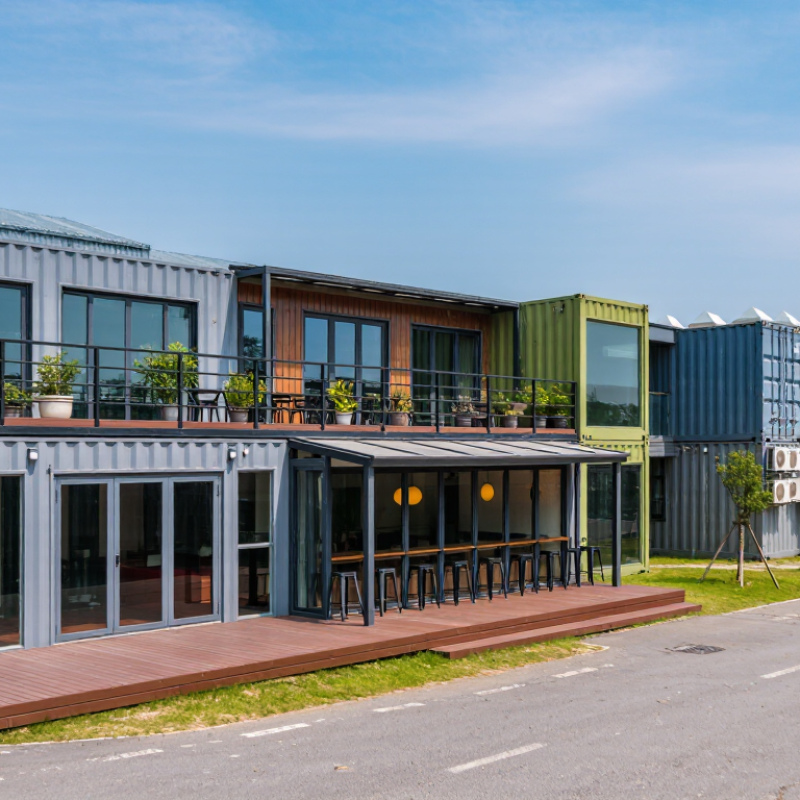
What Makes a Converted Shipping Container Suitable for Global Buyers
A converted shipping container is suitable for global buyers when it combines structural safety, climate control, and transport readiness. Global buyers need more than attractive interiors. In practical inspections, examine the frame, corner posts, roof seams, and floor condition. Rust around welds needs attention. A fresh coating can hide defects. Ask for structural drawings, material details, and documented inspection records. These details support informed purchasing and reduce costly surprises after delivery.
Climate changes design priorities. Hot regions need reflective roofing, cross-ventilation, and shaded windows. Cold regions require continuous insulation and protected water lines. In humid ports, sealed floors and corrosion-resistant fixtures can prevent early damage. A well-placed drain matters. Electrical systems should match local voltage and frequency requirements. Plumbing connections need accessible shutoff valves. Transport planning is equally important. Keep external dimensions within common shipping limits, and confirm lifting points before dispatch. Clear packing lists and installation instructions help local crews work safely.
Reliable suppliers should explain what was modified, replaced, or left untouched. Buyers should request recent photographs, test reports, and a final inspection before shipment. Remote photos help, but they cannot reveal every weak weld or hidden leak. I would not approve a unit based on appearance alone. Some designs look efficient yet perform poorly in tropical rain. Allowing local technicians to review utilities can expose these weaknesses early. Requirements also vary between regions, so technical documents may need local verification before installation.
10 Best Converted Shipping Containers for Global Buyers - What Makes a Converted Shipping Container Suitable for Global Buyers
| No. | Converted Container Type | Typical External Size | Approx. Floor Area | Recommended Use | Key Global-Buyer Advantages | Climate & Technical Considerations | Typical Delivery Format |
|---|---|---|---|---|---|---|---|
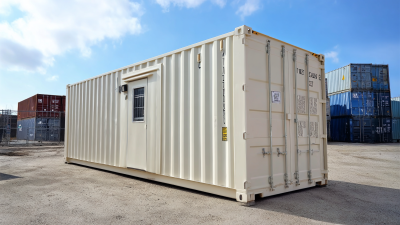
| 1 | Insulated Modular Office | 20-foot container; approx. 6.06 m × 2.44 m × 2.59 m | About 13.9 m² | Site office, project room, security office, remote workspace | Fast installation, compact shipping footprint, reusable structure, easy relocation | Requires suitable insulation, ventilation, electrical protection, and local fire compliance | One 20-foot container; usually delivered as a finished or semi-finished module |
| 2 | Compact Container Home | 20-foot container; approx. 6.06 m × 2.44 m × 2.59 m | About 13.9 m² before internal finishes | Guest room, studio, temporary accommodation, small dwelling unit | Suitable for small plots, modular expansion, and projects requiring controlled costs | Local approval may be required; thermal bridges, moisture control, and emergency exits must be addressed | Single module or multiple modules combined on site |
| 3 | Two-Module Family Residence | Two 40-foot containers; each approx. 12.19 m × 2.44 m × 2.59 m | About 59.5 m² combined floor area before modifications | Family housing, workforce accommodation, disaster-recovery housing | Larger living area, repeatable design, efficient transport, and scalable construction | Structural reinforcement is needed where side walls are removed; foundation and seismic requirements vary by country | Two 40-foot units shipped separately and joined at the destination |
| 4 | Portable Retail Kiosk | 10-foot or 20-foot container; approx. 3.05 m or 6.06 m long | About 7.4 m² or 13.9 m² | Food outlet, ticket booth, pop-up shop, beverage counter | Secure steel shell, recognizable modular format, rapid setup, and flexible placement | Food applications need washable finishes, drainage, extraction, potable water, and local hygiene approval | One 10-foot or 20-foot unit transported by truck, trailer, or container vessel |
| 5 | Container Café or Restaurant | 40-foot container; approx. 12.19 m × 2.44 m × 2.59 m | About 28.6 m² | Commercial kitchen, café, takeaway restaurant, event catering unit | Large internal length, efficient prefabrication, quick deployment, and possible seasonal relocation | Requires commercial ventilation, grease management, fire protection, electrical capacity, and wastewater planning | One 40-foot unit with on-site utility connections and external customer seating if required |
| 6 | Sanitary and Shower Facility | 20-foot or 40-foot container; standard width approx. 2.44 m | About 13.9 m² or 28.6 m² | Construction sites, camps, events, emergency accommodation, public facilities | Pre-installed plumbing zones, repeatable layouts, rapid deployment, and efficient use of limited land | Needs freeze protection in cold regions, hot-water safety controls, drainage, ventilation, and accessibility planning | One module with external water, sewer, power, and sometimes holding-tank connections |
| 7 | Medical Examination Unit | 20-foot or 40-foot container; high-cube versions offer approx. 2.90 m external height | About 13.9 m² or 28.6 m² | Screening room, vaccination unit, mobile clinic, laboratory support space | Can reach remote locations, supports controlled layouts, and enables faster deployment than permanent construction | Requires cleanable surfaces, reliable HVAC, backup power, water management, accessibility, and healthcare authorization | One or more modules delivered with equipment installed or secured for final installation |
| 8 | Workshop and Tool Store | 20-foot or 40-foot container; approx. 2.44 m external width | About 13.9 m² or 28.6 m² | Maintenance workshop, agricultural storage, equipment room, repair facility | Lockable steel enclosure, strong cargo-floor base, modular storage, and low site-preparation demands | Ventilation, lighting, load distribution, corrosion protection, and fire controls should match the tools and materials stored | One container placed on level supports; heavier equipment may require reinforced flooring |
| 9 | Data and Equipment Room | 20-foot high-cube container; approx. 6.06 m × 2.44 m × 2.90 m | About 13.9 m² | Network equipment, telecommunications, monitoring systems, technical storage | Secure enclosure, transportability, controlled internal environment, and suitability for remote infrastructure | Needs continuous cooling, fire detection or suppression, grounding, cable management, and backup power planning | One reinforced module with equipment racks and external power or generator connections |
| 10 | Pop-Up Exhibition and Event Unit | 20-foot or 40-foot container; standard external width approx. 2.44 m | About 13.9 m² or 28.6 m² | Exhibition room, information center, ticketing facility, temporary classroom | Reusable format, visible architectural character, fast assembly, and suitability for international events | Needs safe public access, structural checks for openings, weather sealing, lighting, ventilation, and local event approval | One or multiple units shipped by standard freight methods and installed on temporary supports |
Note: Dimensions are approximate external ISO container dimensions. Actual internal floor area, payload, insulation thickness, equipment layout, transport requirements, and regulatory compliance vary according to the conversion specification and destination country.
Related Posts
-
China Best 20ft Storage Container For Your Global Sourcing Needs?
-
How to Use One Trip Shipping Containers for Global Sourcing?
-
Why Choose a Shipping Container Shed for Your Next Storage Solution?
-

10 Innovative Ways Converted Shipping Containers Are Transforming Spaces
-
Discover How a 20ft Storage Container Can Transform Your Space and Simplify Your Life
-

How to Choose the Right High Cube Shipping Container for Your Needs in 2025