2026 Best Uses for 40ft Container in Innovative Storage Solutions?
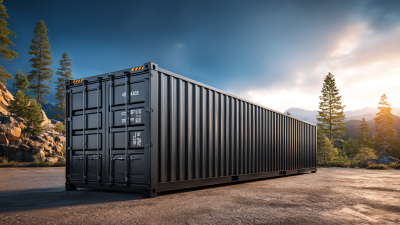
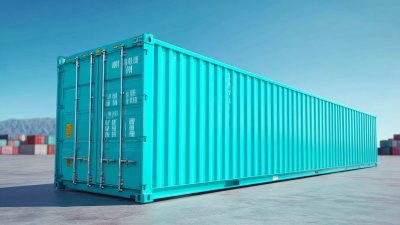
In recent years, the use of a 40ft container has transformed storage solutions across various industries. Expert Mark Thompson, a specialist in container logistics, emphasizes, "The versatility of the 40ft container allows businesses to innovate storage methods." Companies are exploring creative ways to utilize these containers beyond traditional shipping.
A 40ft container offers ample space, making it ideal for customized storage solutions. From offices to pop-up shops, the possibilities are extensive. However, challenges remain. Not all businesses know how to maximize container space effectively. Simple storage tends to overlook the potential for creativity. It is vital to rethink how we perceive these containers.
Imagining a 40ft container as more than just a transport tool can lead to innovative designs. Some may stumble in execution, leading to wasted opportunities. However, with careful planning and a willingness to experiment, successful storage concepts will emerge. The journey towards effective utilization starts with a fresh perspective on this versatile container.

Innovative Uses of 40ft Containers in Modern Storage Solutions
The use of 40ft containers for storage is becoming more popular in innovative ways. These containers can serve multiple purposes in both residential and commercial applications. For example, a 40ft container can be transformed into a secure storage unit for tools and equipment. This setup provides protection against theft and damage. Imagine placing shelves inside, maximizing space efficiently.
Another intriguing use is as a pop-up shop or exhibit space. Using a container allows for a unique design. It can be painted and branded to attract customers easily. However, one must consider the ventilation and lighting inside. Poor air circulation can lead to a stifling environment for both employees and merchandise. Rethinking layout or adding windows may help.
Additionally, creating living spaces from containers has gained traction. These can be used as budget-friendly housing or guest suites. Yet, the layout often poses challenges. Space may feel cramped without proper planning. Exploring modular designs could enhance functionality. The potential for creativity is vast, but careful consideration is key to make these solutions effective.
Innovative Uses of 40ft Containers in Modern Storage Solutions
Transforming 40ft Containers for Urban Warehousing Applications
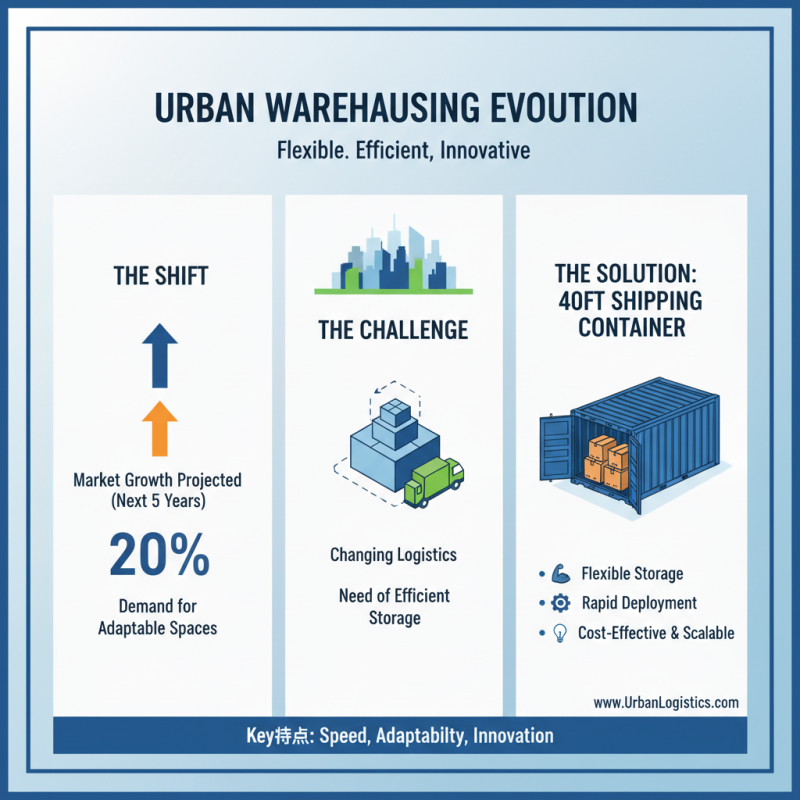
Urban warehousing is evolving rapidly. The demand for flexible and efficient storage solutions continues to grow. A 40ft shipping container provides an innovative answer. According to a recent study, the urban warehousing market is projected to expand by 20% over the next five years. This trend highlights the need for adaptable spaces that can accommodate changing logistics challenges.
Transforming a 40ft container into a storage unit is not without its challenges. Insulation and ventilation must be carefully considered. Containers can become uncomfortably hot or cold. It is vital to assess local climate conditions. This aspect often gets overlooked. Additionally, container security is crucial. Effective locking mechanisms are necessary to protect stored items. Research indicates that improperly secured containers can lead to losses of over 15% annually.
Some creative uses for these containers include pop-up shops and community centers. They can be stacked for multi-tier storage, maximizing floor space. However, there is a growing concern regarding zoning regulations. Each city has different rules, impacting where and how these containers can be utilized. Urban planners and developers must navigate these complexities while deploying this innovative storage solution. The potential is significant, but so are the hurdles.
Cost-Effectiveness of Utilizing Shipping Containers for Commercial Storage
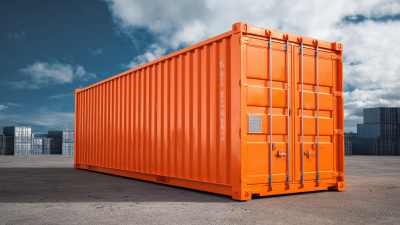
Shipping containers are a cost-effective solution for commercial storage. A 40ft container offers ample space. It can house bulky items or numerous smaller products. This flexibility attracts many businesses. They save money compared to traditional warehouses. Containers are often readily available. Their resale value remains high.
When using containers, consider their insulation. Not all containers are temperature regulated. In regions with extreme weather, this can be an issue. Pay attention to ventilation as well. Stale air may cause damage to sensitive items. Trying to store electronics in an unventilated container may lead to issues.
Here are some tips for effective storage:
- First, use shelving to maximize vertical space. This keeps items organized and accessible.
- Second, clearly label everything. It saves time when searching for specific items.
- Lastly, ensure regular maintenance checks on the container. Rust or structural issues can develop over time. Addressing these properly extends the life of your storage solution.
Sustainable Storage Practices: Eco-Friendly Innovations with Containers
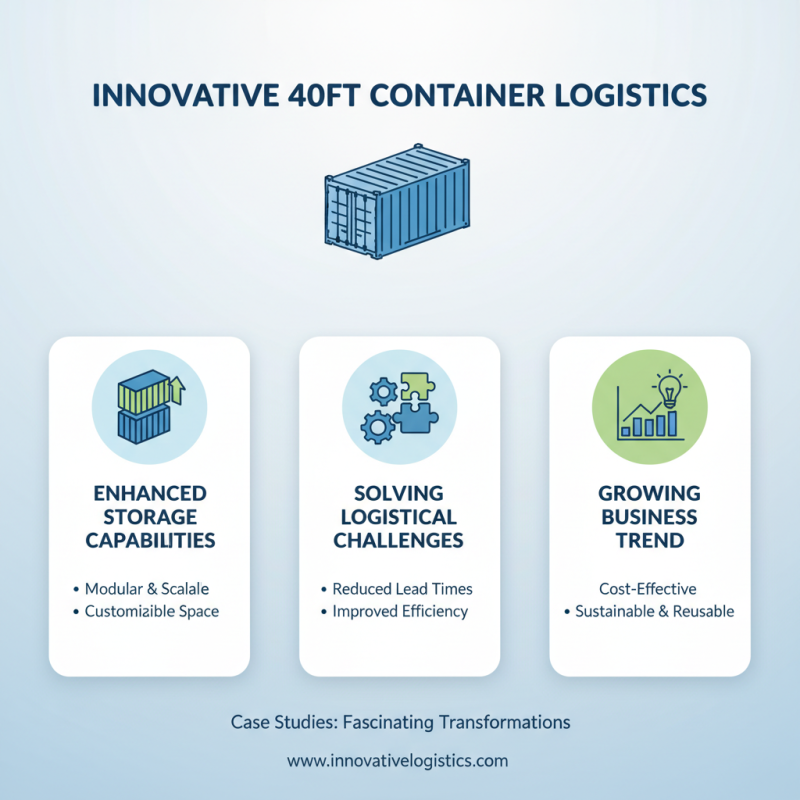
In recent years, the demand for eco-friendly storage solutions has increased. A 40ft container can be transformed into a sustainable storage unit. It offers practical space with minimal environmental impact. These containers are reusable and durable, making them an ideal choice for green practices.
Recycling shipping containers can reduce waste significantly. By repurposing these containers, we minimize our carbon footprint. They can be adapted for various uses, such as creating community gardens or pop-up shops. Some people even convert them into homes. This approach not only provides storage but also fosters creativity. However, challenging local regulations can hinder these innovations.
It's essential to acknowledge the learning curve involved in using containers. Not every idea will succeed. Some may find containers unsuitable for specific climates. Others face difficulties in insulation or ventilation. Reflecting on these issues can inspire better designs. Adopting sustainable practices requires continuous improvement and adaptability.
2026 Best Uses for 40ft Container in Innovative Storage Solutions
| Storage Use Case |
Description |
Sustainability Feature |
Estimated Cost |
| Mobile Office |
Convert a 40ft container into a fully functional office space. |
Energy-efficient insulation and solar panels. |
$5,000 - $15,000 |
| Eco-Friendly Storage |
Use for sustainable storage of goods using recycled materials. |
Repurposing and minimal environmental footprint. |
$1,000 - $3,000 |
| Community Garden Storage |
Store tools, seeds, and gardening supplies for local community gardens. |
Promotes local food production and green space. |
$2,000 - $4,000 |
| Event Venue |
Transform into a unique space for events or exhibitions. |
Reusable materials and increase in public awareness. |
$10,000 - $20,000 |
| Pop-Up Retail Space |
Use as an innovative retail space for seasonal goods. |
Encourages local businesses and sustainable shopping habits. |
$3,000 - $8,000 |