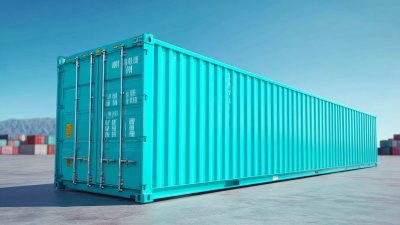
China Top 40ft Container Manufacturers and Prices

China remains the world’s largest manufacturing base for ISO shipping containers, including the widely used 40ft container. Its factories supply dry vans, high-cube units, reefers, and specialized equipment to global logistics operators.

UNCTAD’s Review of Maritime Transport 2024 confirms that more than 80% of global merchandise trade moves by sea. That figure explains the continuing demand for reliable container equipment. Drewry’s container research also shows that freight markets, equipment availability, and leasing conditions can change quickly. Prices rarely stay still.

John Fossey, a container-equipment specialist associated with Drewry, has emphasized: “Container prices cannot be judged separately from production, positioning, and leasing conditions.” This point matters when comparing Chinese manufacturers. A factory quote may exclude inland transport, inspection, paint upgrades, documentation, or delivery to the export port.

A standard new 40ft container usually measures about 12.2 meters long and 2.44 meters wide. High-cube models add roughly 30 centimeters of internal height. Steel thickness, flooring, locking bars, corner castings, and coating quality affect the final cost. So does the order volume.

This guide examines leading China-based manufacturers and current price ranges. It considers factory experience, certifications, production capacity, export records, and after-sales support. It also separates new, used, and refurbished units.

A low quote can still be the wrong quote.

Readers should treat published prices as market indicators, not fixed offers. Currency movements, steel costs, port congestion, and seasonal demand may alter the final invoice. Some comparisons may remain imperfect, especially when suppliers disclose different specifications. That limitation deserves attention before any purchase decision.
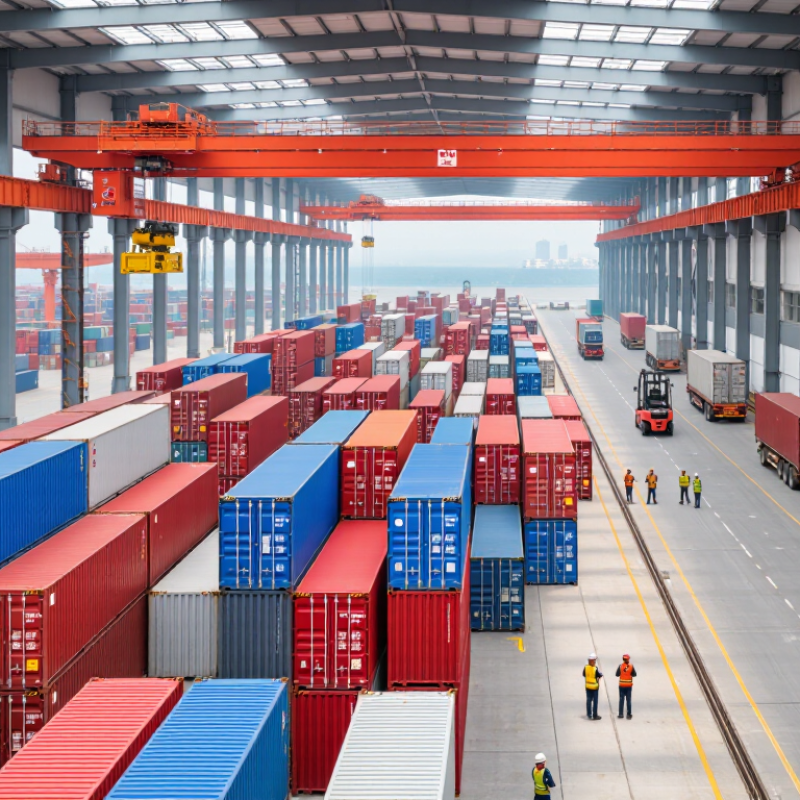
China Top 40ft Container Manufacturers and Prices

40ft Container Basics: ISO Size, 67.7 m³ Volume, and 28,750 kg Payload

A 40ft dry container follows the ISO 668:2020 dimensional framework. Its external length is 12.192 metres, while width reaches 2.438 metres. Standard internal volume is approximately 67.7 m³, enough for household goods, machinery, or palletized cargo. The floor feels enormous, but poor packing can waste several cubic metres.

The 28,750 kg payload figure needs careful interpretation. It usually assumes a gross rating near 32,500 kg and tare weight around 3,750 kg. Actual capacity depends on the container’s identification plate, floor condition, and local road limits. Not every 40ft unit carries 28,750 kg safely. ISO compliance does not remove practical restrictions.

UNCTAD’s Review of Maritime Transport highlights equipment availability, port handling, and inland transport as major cost influences. Industry fleet reports also show that container age and regional supply affect purchase prices. Therefore, a low factory quotation may exclude inspection, painting, certification, delivery, or lifting fees. Buyers should request payload confirmation, internal measurements, door dimensions, and recent inspection records. I would also check the floor closely; photographs can hide moisture damage and uneven repairs. For taller cargo, a 40ft high-cube unit offers more internal volume, but it is not the same specification as the 67.7 m³ standard model.

40ft Container Basics: ISO Size, 67.7 m³ Volume, and 28,750 kg Payload

Comparison of common ISO 40ft dry container configurations. The standard model provides approximately 67.7 m³ of internal volume, while the high-cube model offers additional height and capacity. Payload figures are rated maximums and may vary according to tare weight, container design, and transport regulations.

China’s Leading 40ft Container Makers: CIMC, CXIC, Singamas, and Dalian

China’s leading 40ft container makers operate across major manufacturing hubs, including Shenzhen, Nantong, Shanghai, and Dalian. Their factories typically use automated welding lines, weather-resistant coatings, and standardized corner fittings. In practical sourcing work, buyers should inspect weld consistency, door alignment, floor condition, and container plate details.

A new 40ft dry container commonly costs about USD 2,200 to USD 4,500 in China. The final figure depends on steel prices, paint systems, flooring, certification, and order volume. Used units can cost less, but repairs may reduce the saving. Prices for refrigerated or specialized containers are much higher. A low quote can look attractive. It may not be complete.

Reliable manufacturers usually provide production drawings, inspection records, and documentation for international transport requirements. Ask whether the quotation includes factory testing, inland delivery, export handling, and loading supervision. I would also request photos from the actual production batch, not only polished catalogue images. Small defects matter. A door that closes poorly can create water entry, delays, and extra repair costs. Buyers should compare at least three written offers and confirm delivery dates before paying a deposit. Even experienced purchasers can overlook local charges or specification differences. That is where careful checking becomes more valuable than a slightly cheaper headline price.

Factory Comparison: Output Scale, Certifications, Steel Grades, and Lead Times

China Top 40ft Container Manufacturers and Prices

Comparing 40ft container factories requires more than checking the lowest quotation. Output scale matters because large plants usually control steel purchasing and production scheduling better. However, high capacity does not guarantee careful workmanship. A monthly output figure should be checked against factory area, welding lines, inspection staff, and recent shipment records. Factory visits, production photos, and batch documents provide stronger evidence than sales claims. A neat spreadsheet can still mislead.

Certifications deserve close examination. Confirm whether the factory holds valid ISO 9001 certification and produces containers under applicable CSC and ISO 1496 requirements. Check the certificate scope, issuing body, and expiration date. Ask for welding procedure records and inspection reports. These details reveal manufacturing discipline. They also reduce questions during international transport. Still, paperwork is not enough. Randomly inspect door seals, corner castings, floor joints, and paint thickness before shipment.

Steel grade directly affects durability and price. Weathering steel is common, but buyers should request mill certificates and thickness tolerances. A 40ft high-cube unit may use different gauges across the roof, side panels, and underframe. This saves weight, but weak specifications can create future repairs. Lead times often range from several weeks to a few months. Custom colors, logos, modified doors, and large orders extend the schedule. Request a production milestone plan, not just a promised delivery date. Allow buffer time. Delays happen, even in well-managed factories.

China Top 40ft Container Manufacturers and Prices - Factory Comparison: Output Scale, Certifications, Steel Grades, and Lead Times

Indicative factory-market benchmarks for new 40ft dry freight containers manufactured in China. Prices are typical FOB China ranges in USD and may vary according to steel costs, order quantity, paint system, accessories, inspection requirements, and shipping season. Certification and delivery details should be verified with the selected factory before purchase.
Factory Capacity Tier Typical Annual Output Main 40ft Product Configuration Common Certifications and Standards Typical Steel Grades Indicative FOB Price Standard Lead Time Typical MOQ
Tier A
Large-scale integrated production
50,000–100,000 units per year 40ft standard dry container
External length: approximately 12.19 m
Internal volume: approximately 67.7 m³
ISO 9001 quality management system
CSC safety approval
ISO 668 dimensional compliance
ISO 1496-1 performance testing
Weathering steel for side panels and end panels
Q345B or equivalent structural steel for frames
Q345D or equivalent for selected cold-weather applications
US$2,450–3,050 25–40 days 10–20 units
Tier B
High-volume specialist
30,000–60,000 units per year 40ft standard and 40ft high-cube dry containers
Options may include plywood flooring, fork pockets, and container-lashing fittings
ISO 9001
CSC approval for applicable production series
ISO 668 and ISO 1496-1 design requirements
Factory welding and coating inspection records
Q345B or equivalent high-strength low-alloy steel
Weathering steel panels
Q235B or equivalent for selected secondary components
US$2,350–2,950 30–45 days 10–30 units
Tier C
Medium-scale export factory
15,000–35,000 units per year 40ft dry freight container
Standard cargo doors, marine plywood floor, galvanized or painted roof components
ISO 9001 or equivalent documented quality system
CSC approval available by production model
ISO 668 dimensional checks
Third-party pre-shipment inspection commonly accepted
Q345B or equivalent frame steel
Weathering steel or coated carbon steel for panels
Q235B or equivalent for non-critical fittings
US$2,250–2,850 35–50 days 20–50 units
Tier D
Flexible custom-production factory
8,000–20,000 units per year Customized 40ft dry container
Suitable for modified door layouts, ventilation packages, internal partitions, or special cargo requirements
ISO 9001 may be available depending on the production site
CSC documentation for approved configurations
Welding procedure and coating inspection available on request
Q345B or equivalent structural steel
Q235B or equivalent secondary steel
Weathering steel available as an upgrade
US$2,500–3,250 40–60 days 5–20 units
Tier E
Economy high-volume production
20,000–45,000 units per year Basic 40ft dry container
Standard flooring, side-wall panels, roof, doors, corner castings, and locking bars
CSC approval for standard models
ISO 668 dimensional compliance
Basic factory quality-control records
Independent inspection recommended for large orders
Q235B or equivalent for selected structural components
Q345B or equivalent in main frame members
Coated carbon steel panels may be specified
US$2,150–2,700 35–55 days 30–100 units
Tier F
Premium specification production
10,000–30,000 units per year 40ft dry container with enhanced corrosion protection
Heavy-duty flooring, upgraded door hardware, improved weld finishing, and extended coating systems
ISO 9001
CSC safety approval
ISO 668 and ISO 1496-1 requirements
Coating thickness, weld quality, and water-tightness inspection
Higher-grade weathering steel for exposed panels
Q345D or equivalent structural steel where specified
Marine-grade plywood flooring options
US$2,850–3,650 45–65 days 10–30 units
Tier G
Mixed new and replacement-unit production
5,000–15,000 new units per year New 40ft dry containers and replacement units
Appropriate for regional fleets, storage use, and non-specialized cargo
CSC documentation may be supplied for new units
ISO 9001 status varies by facility
Pre-shipment dimensional, door, and water-tightness inspection recommended
Q235B or equivalent carbon steel
Q345B or equivalent in frame sections
Panel steel grade varies by approved specification
US$2,100–2,650 45–70 days 10–50 units
Tier H
Small-batch project manufacturer
2,000–8,000 units per year Project-specific 40ft containers
Suitable for low-volume orders, special dimensions, storage conversion, or architectural modification
Compliance depends on the final design and intended use
CSC approval available only when the finished configuration meets applicable requirements
Independent engineering review recommended for modified units
Q235B or equivalent for general fabrication
Q345B or equivalent for load-bearing frames
Weathering steel available subject to order quantity
US$2,900–4,200 55–90 days 1–10 units

China 40ft Container Prices: New Units Commonly Cost US$2,000–4,500

China 40ft container prices commonly range from US$2,000 to US$4,500 for new units. This range reflects standard dry containers, with high-cube models often costing slightly more. Recent container market reports from Container xChange show that equipment prices vary sharply by supply, location, and container condition. New “one-trip” units usually command higher prices than used boxes.

Quotes need context. A factory offer near US$2,000 may exclude inland delivery, export documentation, inspection, and port handling. Heavier steel, marine-grade plywood floors, lock-bar upgrades, and custom paint can raise the final cost.

UNCTAD’s Review of Maritime Transport also highlights how freight capacity, port congestion, and regional equipment shortages influence container availability and pricing.

Buyers should request a detailed specification sheet before comparing manufacturers. Check external dimensions, steel thickness, floor load rating, door operation, roof condition, and certification documents.

A third-party inspection can confirm weld quality and corrosion protection. This is practical, not excessive.

Prices can still move quickly. A quotation valid for only seven days may reflect changing steel costs or export demand.

One weakness in this benchmark is its broad range. It does not capture every inland market or factory contract. Therefore, the reliable comparison is the delivered cost, not the headline unit price.

How to Select a Supplier: MOQ, Incoterms, Inspection, and Freight Costs

China Top 40ft Container Manufacturers and Prices

Selecting a 40ft container supplier requires more than comparing the lowest quotation. I have seen price differences caused by steel thickness, flooring, paint systems, and door hardware. Ask for a detailed specification sheet before discussing price. Confirm whether the quoted unit is standard dry, high-cube, or modified. MOQ may range from one trial unit to a full production batch. A smaller MOQ often means a higher unit price.

Incoterms can change your actual cost. EXW may look cheap, but you arrange inland transport, loading, export handling, and documentation. FOB gives clearer control at the Chinese port. CIF includes ocean freight to the named port, but destination charges remain your responsibility. Read every line. Small wording differences can create large bills.

Use an independent inspection company when the order matters. Inspect welding seams, corner castings, door seals, floor condition, dimensions, paint coverage, and identification plates. Request dated photographs and a factory test report, but do not treat paperwork as proof. I once relied too heavily on photographs and missed uneven door alignment. That gap hurt.

Freight costs depend on season, route, port congestion, fuel surcharges, and container availability. Obtain a written freight quote with validity dates, free-time terms, destination fees, and insurance options. Leave room for error. Even careful budgets can miss local handling charges.