How to Choose the Right 10ft Shipping Container for Your Needs?
Choosing the right 10ft shipping container can significantly impact various operations, from storage to transportation. According to a report by Statista, the global shipping container market size was valued at approximately $8.5 billion in 2021. As businesses look to optimize logistics, understanding your specific needs becomes crucial.
The 10ft shipping container offers versatility. It is ideal for both small-scale storage and secure transport of goods. However, choosing the wrong type can lead to wasted resources. Many users overlook important factors, such as durability, insulation, and accessibility. Research indicates that over 30% of container buyers regret their initial choice due to a lack of thorough evaluation. This highlights the necessity of making informed decisions.
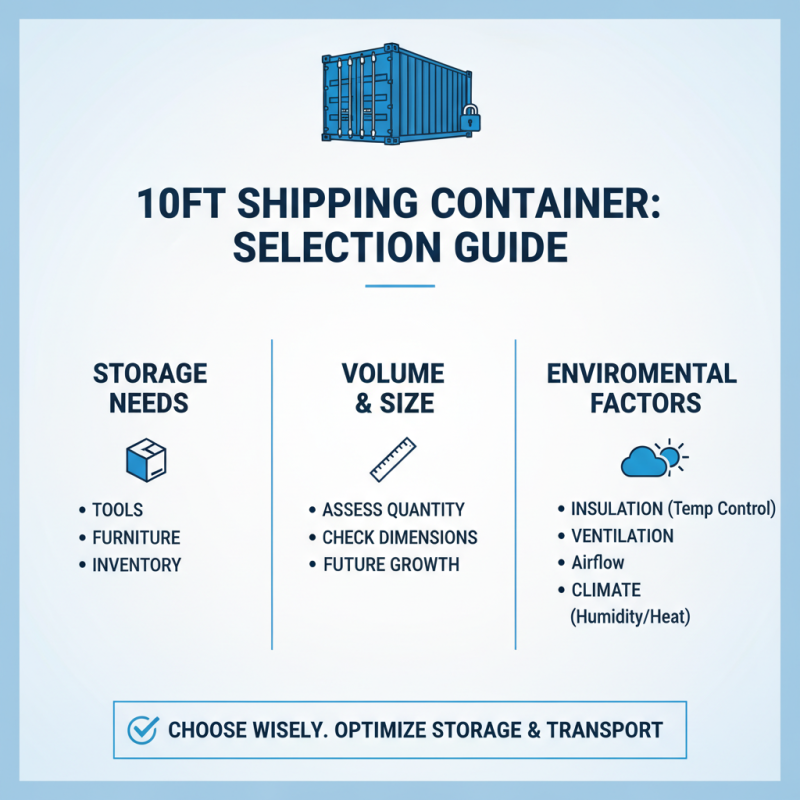
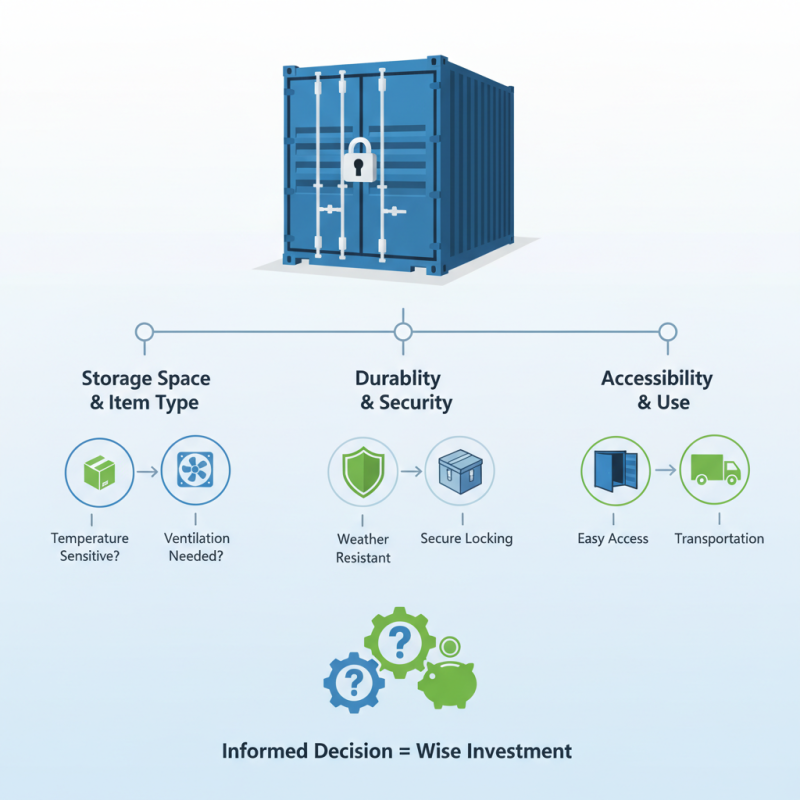
When selecting a 10ft shipping container, consider your storage space and the nature of your items. Are they sensitive to temperature? Will they require ventilation? Each detail matters. While a 10ft container might seem sufficient, it may not fit all needs. Reflecting on these aspects ensures that you invest wisely in your shipping and storage solutions.
Understanding the Different Types of 10ft Shipping Containers
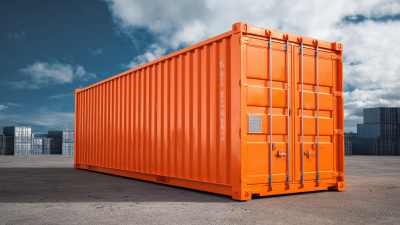
When selecting a 10ft shipping container, it's crucial to understand the various types available. Primarily, there are standard containers and high-cube containers. Standard containers are about 8.5 feet high, while high-cube options offer an additional foot in height. This difference can be significant for businesses needing vertical space to stack goods.
Another aspect to consider is the container’s condition. New builds, refurbished, and used containers each present a different value proposition. According to industry reports, approximately 20% of shipping containers sold are newly manufactured, while refurbished containers make up a significant market share. Each option has its pros and cons. New containers are pristine but cost more, while used containers may have wear but are budget-friendly.
Factors like insulation and flooring material influence usability. Insulated containers keep temperature-sensitive goods safe. Additionally, floor options vary, from plywood to steel. Poor choices here can result in damage to your cargo. Users may also overlook these aspects, leading to unforeseen costs. Evaluating your specific needs and understanding each container type's strengths will guide you in making an informed decision.
Assessing Your Specific Storage and Transport Needs
When selecting a 10ft shipping container, it's crucial to assess your specific storage and transport needs. Consider what you will store in it. Will you keep tools, furniture, or inventory? Each item requires different space and conditions. Think about whether the container should be insulated or ventilated. Climate can affect your belongings.
Next, evaluate accessibility. Will you need regular access to your items? If so, place the container in a convenient location. Ensure that opening doors won't be obstructed. Security is also a key point. A container in a remote area may need added locks or a monitoring system.
Lastly, reflect on your budget. While newer containers offer durability, older ones can be less expensive. However, they might require repairs. Weigh your options carefully. Think about your long-term plans. Will the container serve you well in the future? This reflection is vital before making a decision.
Evaluating the Condition and Quality of Shipping Containers
When choosing a 10ft shipping container, evaluating its condition is crucial. Look for rust, dents, or signs of damage. A corroded container can jeopardize your goods. Gaps in the doors can indicate moisture problems. Inspecting the container's floor is also important. A rotten floor can lead to serious issues. Pay attention to the overall structural integrity.
Quality matters just as much as condition. Consider the materials used in the container's construction. Heavy-duty steel is preferable. Lightweight alternatives might seem cheaper but can compromise durability. Check for previous usage as well. Containers previously used for transporting hazardous materials might not be suitable for you.
Think about your specific needs. Will you store it outside? Then the container should be wind and watertight. Take your time when assessing options. Don’t rush into a decision. A poor choice can lead to extra costs later. Remember, every detail counts in this process.
Comparing Prices and Finding Reliable Suppliers
Finding a reliable supplier for a 10ft shipping container can be a challenge. Many options are available, but not all are trustworthy. Start by researching local sellers. Check customer reviews. Look for companies with a history of positive feedback. This also reveals their service quality.
Comparing prices is essential. Prices can vary significantly between suppliers. Obtain quotes from multiple vendors. Ask about delivery fees and other hidden costs. It's important to understand what you are paying for. Sometimes, a lower price means compromised quality. Inspect the containers if possible. Look for rust, dents, and structural integrity.
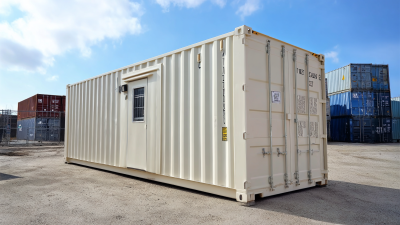
Consider the type of container you need. Are you looking for modified or standard versions? If you have specific storage requirements, communicate them clearly. Understand the terms of sale. Don't rush the decision. Take your time to evaluate options and learn from past mistakes. Many buyers overlook crucial details and regret it later. Making an informed choice will lead to better outcomes.
Comparison of 10ft Shipping Container Prices by Condition
This chart illustrates the average prices of 10ft shipping containers based on their condition. The data represents different categories including new, used, and refurbished containers. This information can help you make an informed decision when choosing a shipping container that fits your needs.
Considering Delivery and Location Requirements for Your Container
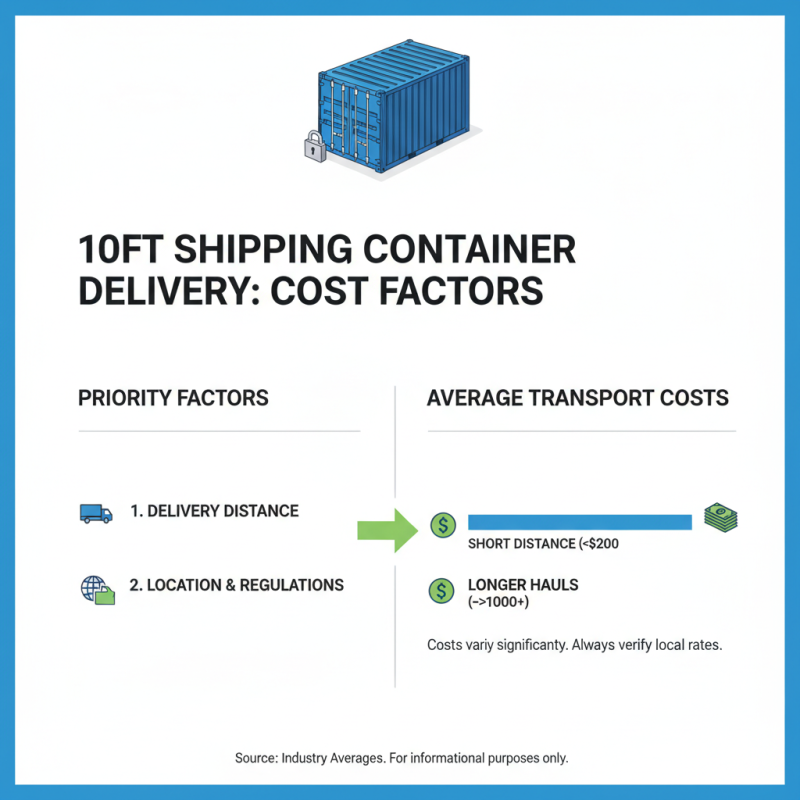
When choosing a 10ft shipping container, delivery and location must be prioritized. The average cost to transport a container can vary significantly based on distance and local regulations. For instance, moving a container short distances usually costs less than $200. However, longer hauls might exceed $1,000. It’s important to understand these variations.
Many experts recommend verifying local zoning laws before placing a container. Some areas may have restrictions on container use. It’s useful to check if permits are necessary. In some cities, regulations can lead to unexpected costs or delays. Understanding these details helps prevent potential issues.
Tip: Confirm accessibility for delivery trucks. Narrow streets can pose challenges. Avoiding surprises during the delivery process can save time and expense. A clear delivery path is vital for smooth placement. Additionally, consider the foundation. Containers need a stable surface to avoid shifting.
Landscaping can impact location choices. For example, wet or uneven ground might cause problems. Assess the area to ensure your container remains secure and easily accessible. Take the time to measure dimensions and plan accordingly. These small details can make a significant difference in your container's functionality. Invest the effort upfront for a successful placement.