2026 How to Choose the Right 10ft Storage Container for Your Needs?
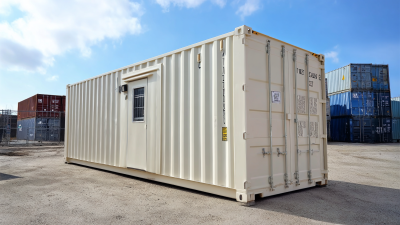
In today's fast-paced world, finding the right 10ft storage container is essential. The global storage container market is projected to grow by 4.8% annually. This rise reflects increasing demand for small, versatile storage solutions. A 10ft storage container can efficiently meet various needs, from personal storage to business applications.
Choosing the right container isn't as easy as it seems. Many factors influence the decision, such as durability, security, and cost. A recent survey indicates that 68% of users prioritize security features when selecting a container. Yet, some buyers overlook essential specifications. It's crucial to consider your unique requirements carefully rather than following generic recommendations.
You may face challenges like price variability or condition discrepancies. These factors can lead to regrets later. Also, remember that not every 10ft storage container is ideal for your needs. Some may lack essential features, while others could exceed your budget. Buyers should take time to compare options and reflect on what truly matters for their situation.
Understanding Your Storage Needs: Assessing What You Will Store
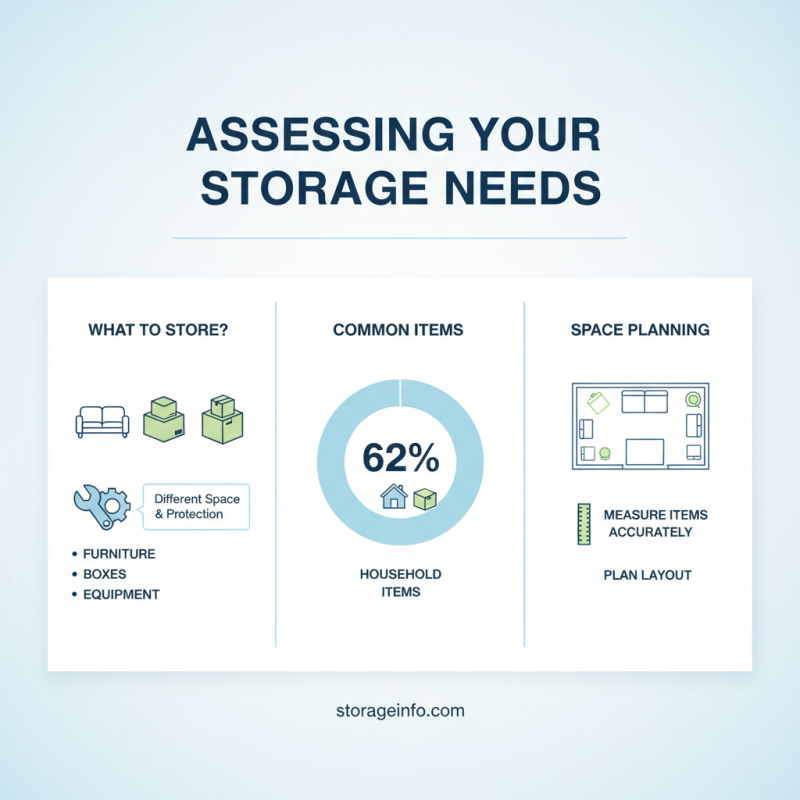
When assessing your storage needs, consider what items you will store. Will it be furniture, boxes, or equipment? Each category requires different space and protection. According to industry reports, 62% of people store household items. Knowing the dimensions of your items is crucial. Measure each piece accurately. Don’t forget about the layout in your space.
Many underestimate the weight of their belongings. Heavy tools and appliances can quickly fill up a container. Assessing weight is just as important as measuring size. A standard 10ft container can hold around 1.5 tons, according to logistics data. Make sure your items fit well. Avoid overloading the container, which may cause damage.
Tips for choosing wisely: Use packing lists. Prioritize essential items. Overlooked items can take precious space. Consider climate control if you're storing temperature-sensitive items. It’s easy to forget that not all containers are weatherproof. Reflect on your future needs as well. Will you need access to these items frequently? Understanding these details can guide your decision.
Evaluating the Space: Measuring and Planning for a 10ft Container
When evaluating the space needed for a 10ft storage container, precise measurements are vital. A standard 10ft container offers approximately 570 cubic feet of storage volume. This should be enough for the contents of a one-bedroom apartment. Yet, measuring dimensions accurately can be challenging. It’s key to not only measure the items you wish to store but also factor in how they will be arranged inside the container.
Start by taking stock of larger items. Measure couches, beds, and tables. Consider potential stacking, especially with boxes. According to industry reports, over 30% of storage mismanagement stems from poor space planning. Visualizing how items fit within the container can prevent costly mistakes. You may think you have enough room, but a cluttered arrangement might reveal otherwise.
Once you’ve gathered measurements, create a plan. Sketch a layout on paper or use online tools. These resources can help visualize space usage and organization. Be mindful that access to the container is important. If the door can't fully open due to other items, retrieval can become a hassle. Reflect on how often you might need to access certain boxes or items. This will influence your arrangement significantly.
Types of 10ft Storage Containers: Choosing Between New and Used Options
When choosing a 10ft storage container, you face a crucial decision between new and used options. New storage containers are typically more reliable. They come with a warranty, ensuring peace of mind. However, they come at a higher cost. Consider whether the extra money aligns with your budget. Some people think used containers are a bargain. They can be significantly cheaper. But inspect them carefully for signs of damage or rust.
Tips: If you go for a used option, ask for maintenance records. This can reveal how well the previous owner cared for it. Look for a reputable seller. A trusted provider is more likely to offer quality options.
New containers have that shiny, untouched appeal. They can be customized as well. This is a big plus if you need specific features. But sometimes the basic standard container works just fine. Reflect on your requirements before making the final choice. What will you store? How often will you access it? These questions will help narrow down your options.
2026 How to Choose the Right 10ft Storage Container for Your Needs?
| Type |
Condition |
Price Range |
Common Uses |
Weight Capacity |
| Standard Container |
New |
$2,000 - $3,000 |
Residential, Small Business Storage |
2,500 kg |
| Refrigerated Container |
Used |
$3,500 - $4,500 |
Food Storage, Pharmaceuticals |
1,800 kg |
| High Cube Container |
New |
$2,800 - $3,800 |
Oversized Items, Furniture |
2,750 kg |
| Flat Rack Container |
Used |
$1,500 - $2,000 |
Heavy Machinery, Large Equipment |
3,000 kg |
| Shipping Container |
New |
$2,200 - $3,200 |
Shipping, Export |
2,500 kg |
Key Features to Consider: Security, Durability, and Accessibility
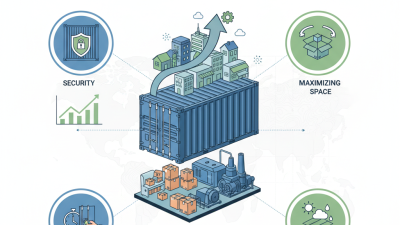
When selecting a 10ft storage container, three key features deserve close attention: security, durability, and accessibility. According to industry reports, nearly 30% of thefts occur in facilities lacking proper security measures. Ensure your container has reinforced locks and tamper-proof features. Consider investing extra for advanced locking systems if you require high security.
Durability of materials is another critical factor. Containers made from high-quality steel can withstand harsh weather. A study shows that containers with Corten steel last 20% longer than standard steel alternatives. Inspect for rust resistance and structural integrity. Regular maintenance checks can help identify vulnerabilities before they become issues.
Accessibility also impacts usability. Some containers have wide doors, while others may have restricted openings. A study found that 70% of users prefer containers with more convenient access for loading and unloading. You might rethink your choice if the access doesn't meet your needs. Consider location as well; a poorly positioned container can make it difficult to reach in a timely manner.
Cost Analysis: Budgeting for Purchase or Rental of a 10ft Container
When considering a 10ft storage container, budgeting is crucial. Rental costs may seem appealing initially. However, long-term rentals can accumulate quickly. Buying a container involves higher upfront costs but may pay off over time. Analyze your needs first.
Think about how long you will need the container. Short-term projects might justify renting. But for ongoing storage, purchase could be smarter. Look at maintenance costs too. An older container may cost less, but repairs can add up.
Do your research on local market prices. Compare rental vs. purchase options carefully. Consider hidden fees in rentals. Think about delivery costs and access as well. These can impact your budget significantly. Ultimately, balance your immediate needs with future considerations.
Cost Analysis: Budgeting for Purchase or Rental of a 10ft Container