How to Choose the Right High Cube Shipping Container?
Choosing the right high cube shipping container is crucial for your logistics needs. Experts like John Smith, a veteran in the shipping industry, emphasize, “The right container can save time and costs.” Understanding the unique features of a high cube shipping container is essential for making informed decisions.
High cube containers stand out due to their extra height, making them ideal for specific shipments. They provide more space without increasing the footprint. However, not every shipment requires this additional height. Sometimes, a standard container suffices. It’s essential to assess your cargo dimensions to choose wisely.
Choosing a high cube shipping container isn’t always straightforward. Each option has pros and cons. Are you prioritizing space over cost? Is the extra height really necessary for your cargo? These questions can help guide your decision. Embrace the research process to discover what truly fits your needs.

Understanding High Cube Shipping Containers: Dimensions and Specifications
High cube shipping containers are popular due to their extra height, making them suitable for various storage and transportation needs. Understanding the dimensions and specifications is crucial for choosing the right container. A standard high cube container typically measures 40 feet long, 8 feet wide, and 9.5 feet high. The additional height allows for more efficient storage solutions, especially for items that are taller or need extra vertical space.
When selecting a high cube container, consider the weight capacity. These containers can hold a substantial amount, often around 67,200 pounds. However, ensuring the container's floor can support the weight of your cargo is essential. You might encounter older containers that lack structural integrity. Look for visible signs of wear or rust before making a commitment.
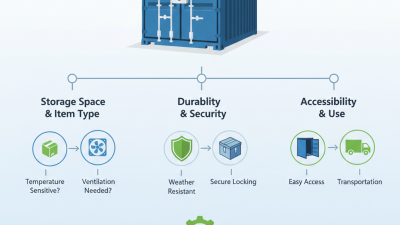
For optimal use, consider these details: measure your cargo dimensions accurately to ensure it fits comfortably inside. Think about ventilation; some goods may require air circulation. Lastly, always check for necessary certifications. Proper documentation can help avoid issues during shipping.
Assessing Load Capacity: Weight Limits for High Cube Containers
When considering high cube shipping containers, assessing load capacity is crucial. High cube containers are taller than standard containers, providing extra vertical space. This added height allows for more flexibility in cargo stacking, but it also requires careful evaluation of weight limits.
Weight limits for high cube containers typically depend on their size. A standard 40-foot high cube container usually has a maximum payload of around 28,000 pounds. However, if you're loading bulky items that are lightweight, you might waste this capacity. Additionally, you must consider the combined weight of the container and the cargo. Overloading not only poses safety risks but also may lead to legal issues or shipping delays.
It's important to plan your shipment accurately. Sometimes, shippers underestimate the weight of their cargo, or they poorly distribute it within the container. This can affect stability during transit. Regularly checking the weight of your loads and ensuring proper distribution will enhance safety and efficiency. Balancing your load is essential for a smooth journey. If you're unsure about weight limits, consulting a shipping expert can provide valuable insights tailored to your specific needs.
Exploring Different Materials: Steel vs. Aluminum High Cube Containers
When considering high cube shipping containers, the choice between steel and aluminum materials is crucial. Steel containers dominate the market due to their strength and durability. Industry reports show that steel containers possess higher tensile strength, making them suitable for heavy loads. They withstand harsh weather and resist corrosion when properly treated. However, they can be heavier, which sometimes leads to increased shipping costs.
On the other hand, aluminum containers offer their own distinct advantages. Weighing up to 30% less than steel, they are easier to transport. This lighter weight can significantly reduce fuel consumption during transit. Moreover, aluminum is naturally resistant to corrosion without the need for additional coatings. A recent study indicated that aluminum containers can maintain structural integrity better than steel in certain environments.
However, the choice is not black and white. Steel is typically more affordable upfront. But, over the long term, aluminum might prove cost-effective due to its lower maintenance needs. There are trade-offs involved that require careful consideration of specific shipping needs and conditions. Evaluating both options will yield insights into the best choice for various applications.
Identifying Use Cases: Best Applications for High Cube Containers
High cube shipping containers are increasingly popular due to their extra height. This feature allows for storing larger items without compromising space efficiency. Many industries have identified effective use cases for high cube containers. For instance, in the retail sector, high cube containers facilitate the transportation of bulky goods like furniture and electronics. According to the International Maritime Organization (IMO), about 90% of global trade is carried by shipping containers, demonstrating their pivotal role.
In the construction industry, these containers serve as adaptable storage units. The excess height can accommodate tools and materials, saving on ground space. A report by the Container Owners Association states that high cube containers are 30% more efficient for certain cargo types. However, users should be aware of the potential limitations. The increased size can cause challenges during handling and stacking. Sites with limited height clearance may not benefit fully from these containers.
Moreover, high cube containers are also utilized in temporary housing solutions, especially during humanitarian crises. They provide secure shelter and can be customized effectively. Organizations often report that these containers are versatile but may require additional insulation in extreme temperatures. Understanding the specific needs of your application can lead to better decisions. However, a careful assessment of your storage and transport requirements is essential.
Evaluating Cost-Effectiveness: Pricing Trends in High Cube Shipping Containers
When evaluating the cost-effectiveness of high cube shipping containers, it is crucial to consider market pricing trends. Recent industry reports indicate that prices have fluctuated significantly due to supply chain disruptions and increased demand. In 2023, high cube containers averaged around $4,500, a notable increase from previous years. However, prices can vary based on location and availability.
While some buyers may seek the cheapest option, it's essential to look beyond the initial cost. High cube containers offer an additional foot of height, providing more storage volume. This advantage can translate into cost savings for logistics. According to a study by the International Maritime Organization, companies that utilize high cube containers can often reduce their shipping frequencies by up to 20%.
Yet, these containers may not always fit local regulations or land constraints. Buyers should also consider long-term maintenance costs. A well-maintained container can last 20 years or more, but neglect can lead to costly repairs. Balancing upfront costs with these factors is necessary for making informed purchasing decisions. It’s a complex choice that requires introspection on how well a container will serve specific needs.
How to Choose the Right High Cube Shipping Container? - Evaluating Cost-Effectiveness: Pricing Trends in High Cube Shipping Containers
This chart displays the average prices for high cube shipping containers over the four quarters of 2023. As evident from the trend, there is a gradual increase in prices, reflecting the cost dynamics in the container shipping market.