Second Hand Containers Tips for Global Buyers to Save Costs
In today's global marketplace, savvy buyers know the importance of cost-saving strategies. One effective approach is purchasing second hand containers. These containers offer a practical solution for businesses seeking affordable shipping and storage options. Acquiring second hand containers can significantly reduce costs without compromising quality.
Many companies overlook the potential benefits of buying used containers. They often assume new ones are their only choice. However, second hand containers can be just as durable and functional. It's essential to thoroughly inspect these containers before purchase. Buyers should assess their condition and suitability for specific needs.
By understanding the market dynamics of second hand containers, buyers can make informed decisions. Knowledge of reputable suppliers and awareness of market trends can enhance the purchasing experience. Considerations like delivery, maintenance, and potential hidden costs play crucial roles in this process. In a competitive world, choosing second hand containers could be the key to saving on shipping expenses.
Understanding the Benefits of Second Hand Containers for Global Buyers
Second hand containers can offer unique advantages for global buyers. They are often significantly cheaper than new ones, which can lead to substantial cost savings. The demand for shipping and storage solutions is high, yet new containers come with a hefty price tag. By opting for second hand options, businesses can allocate their budget more effectively.
Quality varies among second hand containers, which makes inspection essential. Buyers should check for damage, rust, or leaks. Some older containers may still have plenty of life left. Others might require repairs. Understanding the state of the container is vital for making an informed decision. A thorough look ensures the container serves its intended purpose without unexpected issues.
Another benefit is the environmental impact. Reusing containers reduces waste and the need for new production. However, careful consideration is needed to ensure that the container’s lifespan aligns with its intended use. It’s crucial to weigh the potential drawbacks alongside the benefits, allowing for a more strategic purchase decision. Balancing savings with quality is not always easy, yet it’s worth the effort for global buyers seeking reliable solutions.
Key Factors to Consider When Sourcing Second Hand Containers
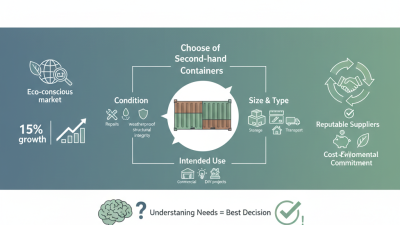
When sourcing second-hand containers, several key factors deserve attention. Start with inspecting the container’s physical condition. Look for rust, dents, and structural integrity. A container that appears worn might have unseen damages. Photographs can be helpful, but they don’t always reveal the full story.
Next, consider the size and type of container you need. Many options exist, such as standard containers and refrigerated variants. Think about how you'll use it. Will it store goods long-term or facilitate shipping? The cost will vary based on specifications.
Additionally, verify the seller’s credibility. Check for reviews or seek recommendations. A reliable seller can save you time and money in the long run. However, even trustworthy suppliers might have quirks in their processes. Be prepared for delays or miscommunications. These challenges can sometimes lead to better deals if you're patient and flexible.
Tips for Inspecting and Evaluating Used Containers Before Purchase
Inspecting used containers requires attention to detail. Potential buyers should prioritize structural integrity and overall condition. Look for visible signs of wear, such as rust or dents. A report by the Container Owners Association highlights that approximately 40% of used containers sold globally show some degree of structural damage. This statistic underscores the importance of thorough inspections.
It’s essential to check the container’s floor and doors. Ensure there are no significant leaks or damage that could compromise its usability. A study from the United Nations Conference on Trade and Development notes that poor-quality containers can lead to a 20% increase in shipping costs due to delays and damage. Utilize a flashlight to inspect the interior, focusing on corners and welds where issues may be hidden.
The condition of paint and labeling also provides clues about the container's history. Faded or peeling paint might indicate prolonged exposure to harsh conditions. Buyers should seek documentation of maintenance history when possible. This can help assess if the container has been properly cared for. Ultimately, making informed decisions can save money and avoid potential headaches.
Cost Comparison of New vs. Second Hand Shipping Containers
Negotiation Strategies to Reduce Costs on Second Hand Container Deals
Negotiating costs when purchasing second-hand containers can significantly affect your overall budget. According to industry reports, shipping containers saw a price increase of over 50% in the past few years due to supply chain disruptions. This price volatility highlights the importance of strategic negotiation. Buyers should leverage market knowledge and recent trends when discussing prices with sellers.
Establishing a clear understanding of container conditions can aid in negotiations. Many sellers may overestimate the value of their containers. Conducting a thorough inspection helps in identifying any necessary repairs. This information can be a powerful tool during discussions, painting a more realistic picture of the container's worth. In a recent survey, over 30% of buyers reported savings of at least 15% through effective negotiations.
Moreover, timing your purchase is crucial. Engaging with sellers during off-peak seasons, such as post-harvest periods, may yield lower prices. Sellers often reduce costs to move inventory quickly during these times. However, buyers should remain cautious and avoid making hasty decisions, as impulsiveness can lead to poor investment. Understanding the market landscape will lead to better deals. Research suggests that informed buyers tend to save more.
Best Practices for Shipping and Handling Second Hand Containers Globally
When shipping second-hand containers globally, understanding logistics is crucial. According to the International Maritime Organization, over 80% of global trade relies on shipping. This reliance creates complexities in handling used containers. Ensuring each container meets international standards is vital. Failure to comply can lead to costly delays and additional inspections.
Proper maintenance of second-hand containers impacts durability. A report from the World Shipping Council emphasizes that well-maintained containers can reduce operational costs by 20%. Buyers should closely examine the containers for signs of wear. Rust and structural damage could lead to unforeseen expenses. If a container is not properly secured, it can cause damage during transit, impacting the entire shipment.
Choosing the right shipping partner is equally important. Collaborate with companies experienced in handling used containers. Many organizations recommend verifying their past performance through industry reviews and ratings. There are always risks involved, such as hidden damages or incorrect documentation. A thorough inspection process can mitigate these issues and lead to a smoother transaction. Investing time upfront can save money and frustration later on.