What is Shipping Container Storage and How Does It Work?
Shipping container storage has become a popular choice for individuals and businesses alike. This innovative method offers a practical solution for various storage needs. Whether you require space for seasonal items or tools, these containers provide flexibility.
The concept is simple. Shipping containers are repurposed as storage units. They are durable, secure, and come in various sizes. You can find them in urban areas or rural settings. However, one must consider their location and accessibility. Some places may face zoning issues or lack necessary permits.
Despite the numerous benefits, shipping container storage isn't without challenges. Climate conditions might affect your stored items. Moreover, there's a need for proper ventilation and insulation. Reflecting on these aspects is crucial for effective usage. It's essential to weigh these factors before making a decision.
Understanding Shipping Container Storage: An Overview
Shipping container storage has emerged as a practical solution in various industries. It involves the use of large, durable containers typically found in shipping logistics. These containers are versatile, portable, and can be easily transported. They serve as secure spaces for short or long-term storage. Many businesses use them to store equipment, inventory, or even personal items.
The appeal of shipping containers lies in their affordability. They are often more cost-effective than traditional storage facilities. However, there are challenges to consider. Weather exposure can lead to corrosion or damage. Proper ventilation is essential to prevent moisture buildup. Some users may neglect these aspects, risking the integrity of their stored items.
In urban areas, space is limited. Shipping containers can be placed in unused lots, making them accessible. Yet, zoning regulations must be checked before placement. Users sometimes overlook these legal requirements, which can lead to penalties. Overall, while shipping container storage offers many advantages, awareness of these potential pitfalls is crucial for effective use.
Types of Shipping Containers Used for Storage
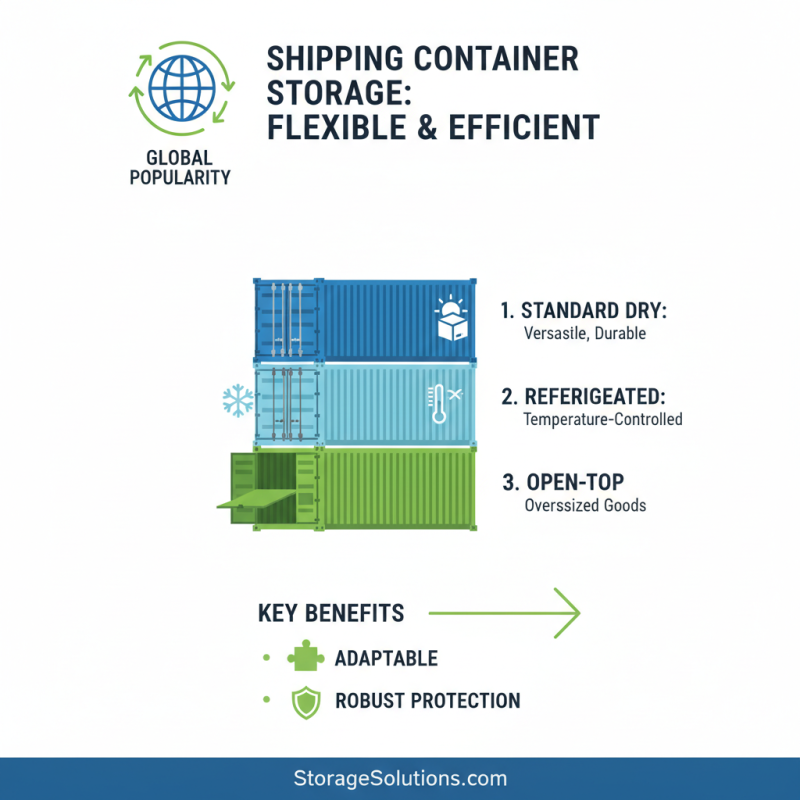
Shipping container storage has gained popularity due to its flexibility and efficiency. Various types of containers are used for storage purposes. The most common ones are standard dry containers, refrigerated containers, and open-top containers. Dry containers are versatile and suitable for many goods. Their durable structure can withstand environmental factors.
Refrigerated containers, often called reefers, offer temperature control. These containers are vital for perishable items. According to the International Organization for Standardization, approximately 90% of the world’s trade is transported in containers. Using reefers for storage helps ensure food safety and quality during transport. However, the reliance on energy for refrigeration can lead to increased operational costs.
Open-top containers are designed to facilitate loading and unloading of oversized cargo. These containers lack a solid roof, making them ideal for tall items. However, securing the cargo can be a challenge, especially during transit. A report by Transport Intelligence shows that about 30% of container loads are poorly secured, risking damage and loss. This highlights the importance of proper handling and safety practices in container storage operations.
How Shipping Container Storage Solutions Work
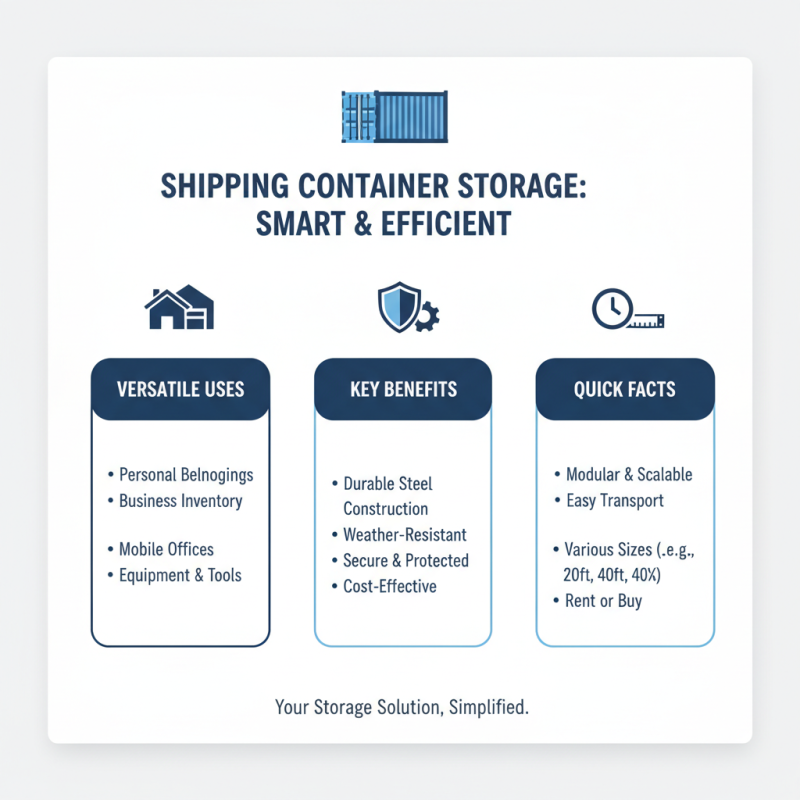
Shipping container storage provides an efficient solution for various storage needs. These containers can be used for personal belongings, business inventory, or even as mobile offices. They are constructed from durable steel, ensuring protection from weather damage.
How do these storage solutions work? Typically, containers come in standard sizes, such as 20 feet or 40 feet. They can be delivered to your location or stored at a facility. You have the flexibility to pack your items at your own pace. It’s essential to ensure that items are packed securely. Use padding for fragile items and consider moisture absorption materials.
**Tips:** Choose the right container size based on your needs. Overpacking can lead to damage. Remember to label boxes clearly for easier access. Also, be aware of ventilation. Without proper air flow, items may get damp.
In terms of accessibility, container storage provides a unique advantage. You have the option to access your belongings whenever needed. However, not all facilities offer 24/7 access. Check the access hours before making a decision. Planning your visits can save time.
Benefits of Using Shipping Containers for Storage
Shipping container storage is becoming increasingly popular. These modular units offer several advantages for both personal and commercial use. One major benefit is their durability. Made from steel, they withstand harsh weather conditions. They keep contents safe from damage. This longevity means less worry about wear and tear.
Another significant advantage is flexibility. These containers come in various sizes. Users can choose the right size for their needs. This adaptability allows for easy relocation if necessary. Additionally, they can be stacked to save space. However, not every location is suitable for stacking. Planning is essential.
Cost-effectiveness is another factor. Shipping containers are often less expensive than traditional storage solutions. They require minimal maintenance, which saves money over time. However, they may not be the most aesthetically pleasing option. In some cases, they might need modifications for ventilation. Users should consider their specific needs and limitations.
Key Considerations for Choosing Container Storage Services
When considering container storage services, several key factors require attention. Space availability is paramount. Ensure the facility can accommodate your needs. Consider the size and number of containers. Some facilities may have limited stock.
Another essential factor is security. Look for storage solutions that provide robust protection. Surveillance cameras and gated access enhance safety. However, not all places maintain high standards. Visiting the location in person can reveal unseen issues. Ask questions about their security protocol.
Pricing structures vary widely among container storage providers. Understanding fees can prevent unpleasant surprises. Some charge hidden fees, while others offer flat rates. Compare quotes carefully. Be wary of deals that seem too good to be true. In the end, aligning your unique requirements with the right provider is critical for a satisfactory experience.
What is Shipping Container Storage and How Does It Work? - Key Considerations for Choosing Container Storage Services
| Feature |
Details |
| Storage Capacity |
20 ft and 40 ft containers available, accommodating various items from personal belongings to commercial goods. |
| Security |
Containers are made of steel with heavy-duty locks, providing a secure environment against theft and weather elements. |
| Accessibility |
Clients can access their containers during business hours or specific time slots set by the storage provider. |
| Cost |
Pricing varies based on location, container size, and rental duration; typically ranging from $50 to $300 per month. |
| Rental Terms |
Flexible rental terms, from short-term to long-term agreements, allowing clients to choose based on their needs. |
| Location |
Container storage services are available in urban areas, industrial zones, and rural locations, depending on demand. |
| Included Services |
Some providers offer additional services such as transportation, loading assistance, and on-site management. |