Essential Tips for Choosing the Right Freight Container?
Choosing the right freight container can significantly impact your logistics strategy. John Smith, an industry expert, once said, "The right container protects your cargo and your investment." His insight highlights the importance of thoughtful selection in freight containers.
In today's global market, containers come in various sizes and types. Understanding these options requires careful consideration. Each freight container serves different needs, from temperature control to weight restrictions. Many businesses overlook these details, leading to damage or delays.
With the right information, you can make informed decisions. Consider your cargo's specifics to determine the best fit. Many companies fail to assess their needs properly, resulting in costly mistakes. Choosing a freight container necessitates reflection on both immediate needs and future demands.
Understanding Freight Container Types and Their Uses
When selecting the right freight container, understanding its types can significantly impact your shipping efficiency.
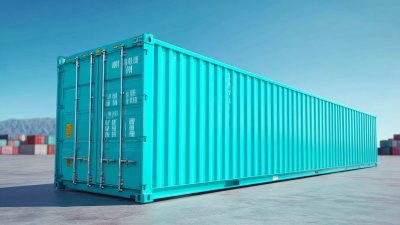
Standard dry containers are versatile and widely used. They come in various sizes, typically 20 or 40 feet long. These containers are perfect for general cargo, but they may not suit all needs. Consider whether your goods require special handling or climate control.
Reefer containers, known for temperature control, are essential for perishable items. They maintain a consistent temperature throughout transit. This type is crucial for transporting food or pharmaceuticals. However, they can be more expensive and require careful monitoring. Think about the costs and logistics involved when choosing this option.
Open-top containers offer another unique solution. They allow for loading from above, making them ideal for oversized cargo. Tarps cover the top, but exposure to elements is a risk. Think about whether your cargo can handle that exposure during transport. Reflect on the specific requirements of your shipping needs. Make informed choices to avoid costly mistakes.
Factors to Consider When Selecting a Freight Container
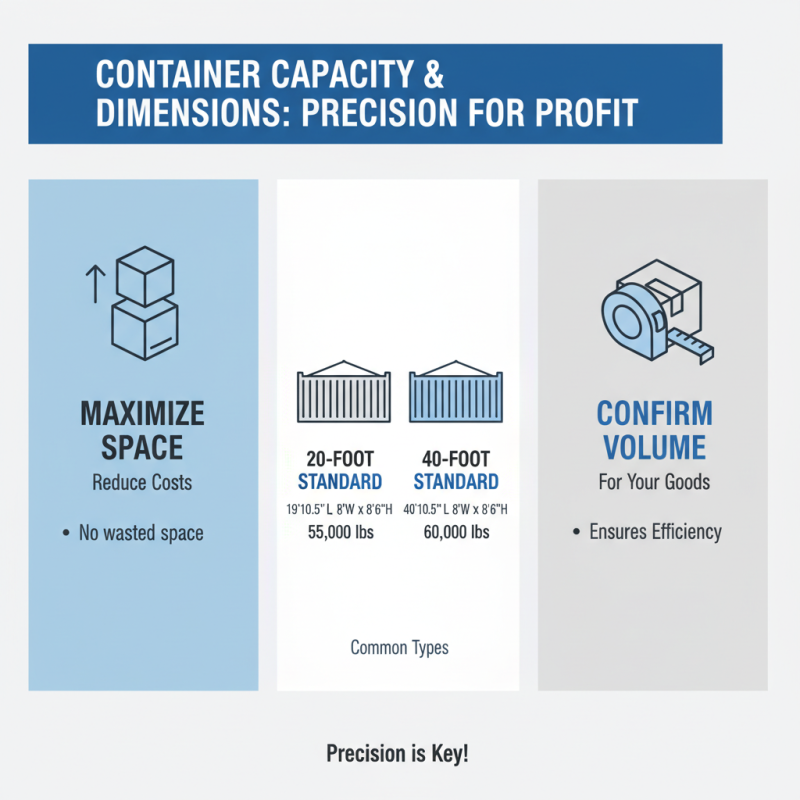
Choosing the right freight container involves several key factors. Capacity is an essential consideration. The standard 20-foot container has a volume of about 33 cubic meters, while a 40-foot container offers 67 cubic meters. Understand your shipment’s size and choose accordingly. Oversized cargo may require special containers. A report by Statista shows that global container shipping is projected to grow by about 4.5% annually, highlighting the importance of efficient logistics.
Material and condition of the container also matter. Generally, containers are made from steel or aluminum. Steel containers offer durability but can rust if not maintained. Aluminum containers are lighter, yet they may be more expensive. Additionally, consider the container's prior usage. A report from the International Maritime Organization emphasizes that reused containers may not always meet safety standards. Proper inspection is crucial to prevent potential issues.
Lastly, choose a container that suits the nature of your cargo. For temperature-sensitive goods, refrigerated containers are required. Different goods may require specific modifications. A logistics report notes that about 25% of containers transport perishables. This number highlights the need to match container type with cargo requirements. Choosing the wrong container can lead to damaged goods or increased costs.
Essential Tips for Choosing the Right Freight Container? - Factors to Consider When Selecting a Freight Container
| Factor |
Description |
Container Types |
Recommended Use |
| Size |
Consider the dimensions and volume of goods. |
20ft, 40ft |
General cargo |
| Weight Limit |
Ensure the container can support the weight of the cargo. |
Standard, High Cube |
Heavy equipment |
| Type of Goods |
Determine if the goods are perishable, hazardous, etc. |
Reefer, Tank |
Food, chemicals |
| Ventilation |
Check if ventilation is necessary for air circulation. |
Ventilated |
Bulk agricultural products |
| Accessibility |
Account for ease of loading and unloading. |
Open top, Side access |
Oversized cargo |
Assessing Cost and Budget for Freight Container Selection
When selecting a freight container, budget considerations are vital. Understanding costs helps in making informed decisions. Freight containers vary in type, size, and condition, impacting their price. New containers cost more but offer longevity. Used containers may save money but require careful inspections.
Evaluate your shipping frequency. Regular shipments can justify a higher initial investment. Determine how often you will use the container. A less frequent use might suggest renting or leasing to reduce costs. Always factor in additional charges like shipping insurance and maintenance.
Consider hidden costs in your budget. Do you need modifications for specific goods? Customization can elevate expenses. Regular maintenance is also necessary, contributing to total expenditures. Sporadic checks can lead to unexpected repairs. Always make room for contingencies. It's essential to create a budget that accommodates flexibility.
Maintenance and Compliance Considerations for Freight Containers
When considering freight containers, maintenance is crucial. Regular inspections prolong durability and ensure safety. According to the Freight Transportation Research Program, up to 25% of container failures stem from poor maintenance. Proper upkeep can avoid costly repairs and delays in shipping.
Compliance with industry standards is essential for operational efficiency. Container conditions must meet safety guidelines outlined by organizations like the International Maritime Organization. Statistics show that containers in poor shape can lead to a 15% increase in accidents during transport. Keeping records of maintenance checks helps in audits and enhances accountability.
Freight containers also require a clean environment to prevent contamination. Notably, a report by the Container Owners Association indicates that 30% of container contents are compromised due to neglect. Regular cleaning and condition assessments are imperative. However, many companies overlook these details, exposing themselves to potential liability. This aspect deserves reflection and further attention.
Essential Tips for Choosing the Right Freight Container