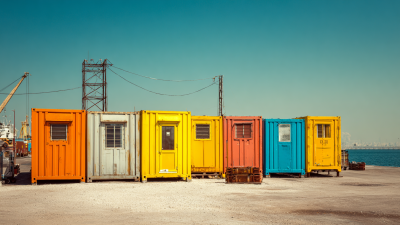
In today's dynamic world, the demand for efficient logistics solutions is ever-increasing. Small shipping containers have emerged as popular choices for many businesses and individuals alike. Their compact size offers flexibility that larger containers cannot match. These containers can easily fit into tight spaces or be used for unique projects.
Many people may overlook the potential of small shipping containers. They are not just for shipping goods across the ocean. Their uses range from storage to innovative mobile offices. This versatility is one of their greatest advantages. Beyond just practicality, they also offer economical solutions for various needs.
It's important to recognize that while small shipping containers are convenient, they are not without limitations. Space constraints might restrict the extent of their usability. Potential buyers should consider their specific requirements before opting for these containers. Understanding both the benefits and drawbacks is key to making an informed decision. Solutions should be tailored, ensuring that small shipping containers meet individual needs effectively.

Small shipping containers offer remarkable space efficiency for various needs. Their compact size allows for easy placement in limited areas. You can use them in urban settings, where space is often scarce. The modular nature of these containers means they can be stacked or linked, providing versatile configurations. When you have a small footprint, these containers maximize every square foot available.
Moreover, their design is inherently flexible. You can easily convert a small shipping container into an office, workshop, or storage space. The durable material allows for modifications without compromising structural integrity. Personalization options, such as windows or doors, can enhance functionality. However, planning is crucial. Misjudging your layout may lead to wasted space.
Despite these advantages, there are some challenges. The internal volume might seem limited, especially if you have many items to store. Organizing can sometimes feel like a puzzle. You may need creative solutions to fully utilize the space. It’s a balancing act of functionality and aesthetics. While small shipping containers can provide innovative solutions, it requires thoughtful consideration and planning to truly reap their benefits.
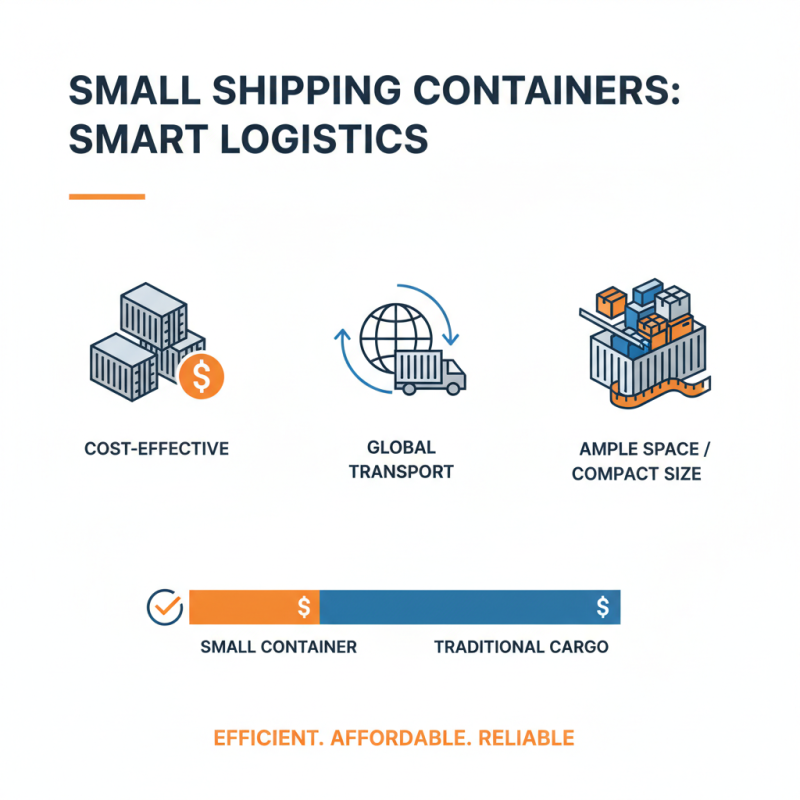
Shipping containers have become a popular choice for transporting goods. They offer a cost-effective solution for businesses of all sizes. Small shipping containers are particularly appealing. They are budget-friendly while still providing ample space for products.
Using these containers can reduce shipping expenses significantly. They are easier to load and unload, saving time and labor costs. Small containers can fit into tight spaces that larger containers cannot. This flexibility allows businesses to take advantage of various shipping options. Many companies find that smaller containers meet their needs without unnecessary expenses.
However, it’s essential to assess your requirements carefully. Sometimes, small containers may not accommodate all your goods in one trip. This could lead to multiple shipments, pushing costs up unexpectedly. Reflection on the actual needs of your shipping processes is crucial. Make sure to balance size and cost for optimal efficiency.
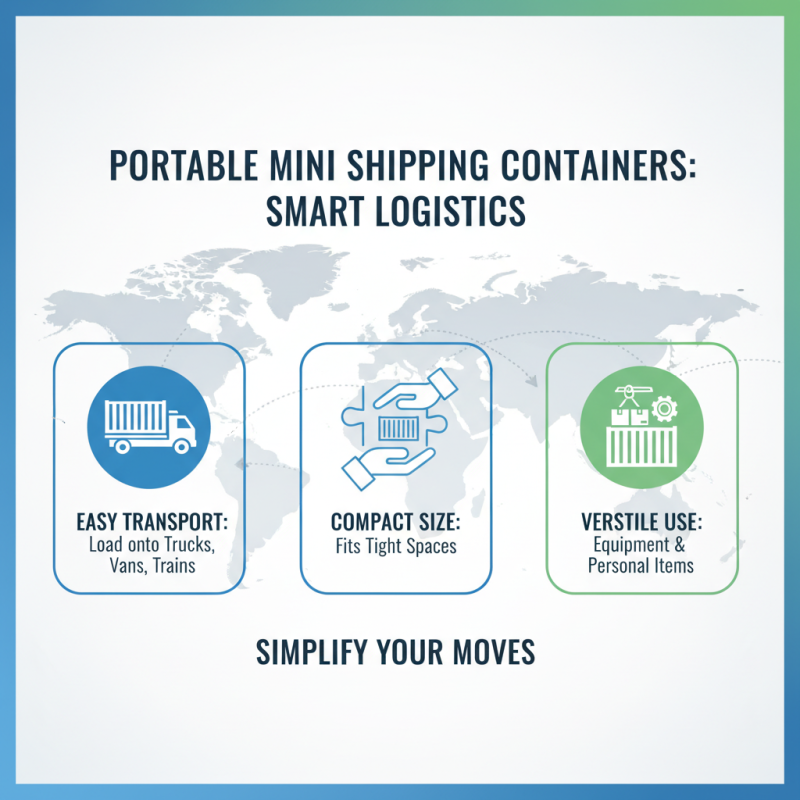
Portable small shipping containers offer many advantages. One key benefit is ease of transport. These containers can be easily loaded onto various transport vehicles. Their compact size allows them to fit in tighter spaces. Whether you're moving equipment or personal items, these containers simplify logistics.
Consider this when using a small shipping container: plan your route ahead. It helps avoid obstacles and ensures stress-free transport. Use lifting straps for added stability. This keeps your load secure during transport, reducing potential damage.
Parking options can be limited. Look for places that allow container parking. Check local regulations to avoid fines. Always measure before loading. A container may seem small, but overloading can cause issues. Clear labeling helps identify contents. This saves time when retrieving items. Small containers can be wonderfully practical, but preparation is key for effective use.
Small shipping containers have gained popularity due to their versatility. You can use them for various purposes. One common application is storage. They provide secure space for tools, equipment, or seasonal items. Weatherproof and durable, they keep belongings safe from the elements.
Another interesting use is transforming containers into living spaces. Think about tiny homes or guest houses. A simple container can be insulated and furnished to create a cozy abode. Imagine adding windows and a small porch. The potential is limitless. However, not everyone considers the zoning laws and permits needed for such transformations. Always double-check local regulations.
Tips: When choosing a shipping container, think about size. A 20-foot container offers ample space without overwhelming a yard. Don’t forget ventilation; it’s vital for comfortable living. Also, consider lighting. Natural light enhances the ambiance significantly. Adapting a container takes creativity, but it may not work for everyone. Reflect on how this aligns with your lifestyle.
| Advantage | Description | Use Cases | Cost Effectiveness |
|---|---|---|---|
| Versatile Usage | Can be transformed for various purposes, including storage, offices, and living spaces. | Home offices, on-site storage, pop-up shops | Cost-effective alternative to traditional buildings |
| Durability | Constructed to withstand harsh weather and heavy loads. | Outdoor storage, workshops | Long lifespan reduces replacement costs |
| Mobility | Can be moved easily to different locations as needed. | Construction sites, festivals | Lower transportation costs compared to traditional structures |
| Eco-friendly | Recycling used containers contributes to sustainability. | Green housing, eco-stores | Reduction in new material costs |
| Cost-Effective | Lower upfront costs compared to traditional building methods. | Temporary housing, low-cost offices | Budget-friendly for startups and small businesses |
| Security | Steel construction provides a secure environment for stored items. | Storage for valuables, secure workshops | Reduced insurance costs due to security |
| Quick Installation | Can be set up quickly compared to traditional buildings. | Emergency housing, event venues | Minimized labor costs |
| Customizability | Easily modified to fit specific needs and aesthetic preferences. | Custom homes, themed retail spaces | Increased value through personalized features |
| Climate Control Options | Can be insulated and fitted with HVAC systems. | Climate-controlled storage, livable spaces | Efficiency in energy costs |
| Scalability | Can be added to or combined to create larger spaces. | Growing businesses, modular homes | Adaptable to changing business needs |
Small shipping containers offer several environmental advantages. They are made from durable materials that can withstand harsh conditions. This durability promotes reuse, which reduces waste. Instead of being discarded, these containers can serve multiple purposes, extending their life cycle. This is a significant step towards sustainability.
Using small shipping containers reduces the carbon footprint. Their compact size means they require less energy for transportation. Whether on roads or rails, they handle efficiently. However, it's crucial to acknowledge that not all containers are recycled properly. Some may end up in landfills, negating their benefits. Awareness about proper disposal or repurposing is needed.
Moreover, these containers can be transformed into eco-friendly living spaces or offices. This creative reuse minimizes the demand for new materials in construction. Additionally, the potential for a closed-loop system exists. If communities engage in recycling, the impact can be substantial. Yet, the process needs improvement. Education on sustainability practices must improve to maximize these advantages.
This chart displays the top ten advantages of using small shipping containers, with scores indicating how significant each advantage is perceived to be. The advantages range from cost-effectiveness and durability to eco-friendliness and versatility, demonstrating the various benefits these containers provide for sustainable practices.