What Are the Top Shipping Container Sizes for Global Buyers?
Choosing the right shipping container sizes can shape an entire international supply chain. A container is not merely a steel box; it affects freight cost, warehouse access, cargo protection, and loading time. For many global buyers, the 20-foot standard container offers a practical balance. It suits dense cargo, machinery, boxed goods, and smaller export volumes. The 40-foot container provides nearly double the floor length, making it useful for lighter, high-volume shipments. When extra internal height matters, a 40-foot high-cube container can accommodate taller cartons, pallets, or equipment.
That sounds simple. It is not.
Cargo weight, cubic volume, port equipment, inland roads, and delivery-site clearance all influence the decision. A buyer may save space at sea but face problems when a high-cube unit meets a low warehouse entrance. Experienced freight teams compare the container’s internal dimensions with the actual packed cargo, not just supplier descriptions. They also check door openings, payload limits, ventilation needs, and handling requirements before booking.
Refrigerated containers may suit temperature-sensitive goods, while open-top or flat-rack units can support certain oversized cargo. However, availability and route compatibility vary by country and carrier. Product specifications should be verified against current carrier documents and recognized container standards. Small measurement errors can become expensive.
There is no universal winner. The best choice depends on cargo density, shipping distance, loading method, and final delivery conditions. This guide examines common shipping container sizes, their practical strengths, and the overlooked details that often influence a reliable global purchase. The answer may be less obvious than expected.
Standard Shipping Container Sizes Used in Global Trade
What Are the Top Shipping Container Sizes for Global Buyers?
Standard shipping container sizes shape cost, cargo safety, and port compatibility in global trade. UNCTAD’s Review of Maritime Transport 2024 notes that shipping carries over 80% of world merchandise trade by volume. That scale makes standard dimensions commercially important.
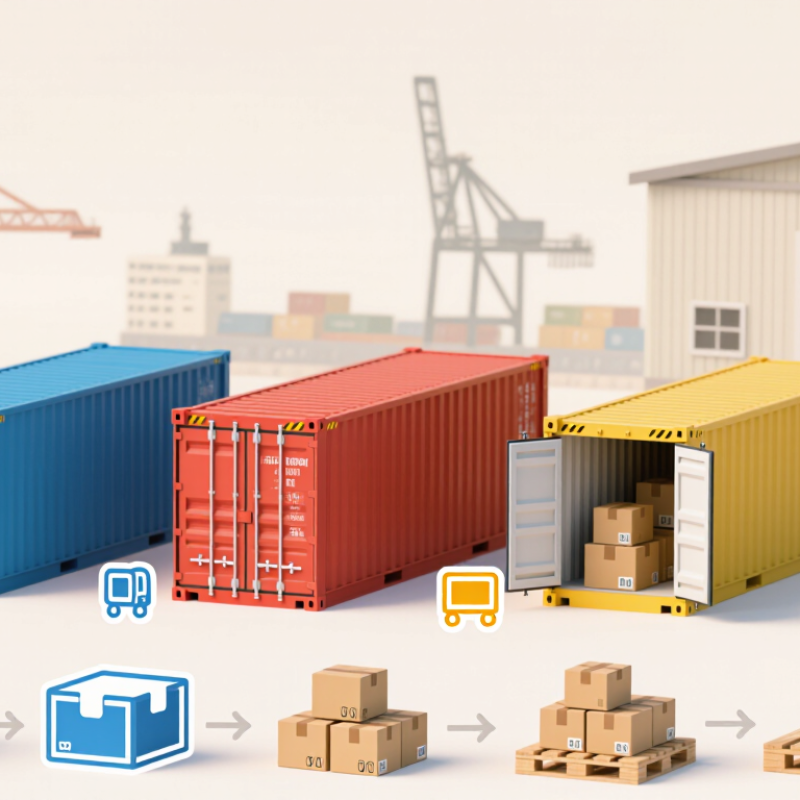
The 20-foot dry container remains a practical choice for dense cargo, machinery, and smaller shipments. Its external length is about 6.06 metres, with a width near 2.44 metres. The 40-foot container doubles the length to approximately 12.19 metres. It suits cartons, furniture, and larger purchase orders. High-cube models add height, reaching about 2.90 metres externally. This extra space helps with bulky but lightweight goods.
Think beyond volume.
Payload limits, cargo weight distribution, door clearance, and route equipment can change the best choice. ISO 668 defines key container dimensions, while the International Convention for Safe Containers supports inspection and safety requirements. Still, dimensions are not perfectly universal in practice. Internal measurements vary slightly by construction and flooring.
That detail is easy to miss. A 40-foot high cube may look ideal, yet heavy cargo can exceed road or rail limits before the container is full.
Buyers should compare verified internal dimensions, maximum gross weight, tare weight, and destination handling rules. Reported fleet data from Container xChange also shows that equipment availability can differ by region, making a theoretically suitable size temporarily difficult to source.
How Container Dimensions Affect Cargo Capacity and Handling
What Are the Top Shipping Container Sizes for Global Buyers?
Container dimensions directly affect how much cargo fits, how safely it moves, and how easily workers can handle it. A standard 20-foot container usually suits dense goods, machinery, or smaller shipments. Its shorter floor length can also reduce shifting during transport. A 40-foot container offers nearly twice the floor space, making it practical for cartons, furniture, and lightweight products. However, extra volume does not always mean better value.
A 40-foot high-cube container adds internal height, often about 30 centimeters more than a standard unit. That space helps with tall packaging, stacked pallets, and carefully planned shelving. The improvement sounds small. It can prevent costly re-packing. Yet, door height and pallet dimensions still matter. A load may fit inside but fail at the doorway. This mistake appears often in theoretical loading plans.
Internal measurements, door openings, maximum payload, and floor strength should be checked together. External dimensions also affect cranes, trailers, warehouse clearance, and port handling. In practical loading reviews, uneven weight distribution causes more concern than unused air. Heavy cartons belong low and near the center. Fragile items need separation, not just extra padding. Specifications can vary by container age and construction, so buyers should confirm the actual unit data before booking. A perfect spreadsheet is not proof of a workable load.
What Are the Top Shipping Container Sizes for Global Buyers? - How Container Dimensions Affect Cargo Capacity and Handling
| Container Type |
Typical External Dimensions
(L × W × H) |
Approx. Internal Dimensions
(L × W × H) |
Usable Volume |
Typical Tare Weight |
Typical Maximum Payload |
Approx. Euro Pallets |
Capacity and Handling Considerations |
| 20-foot Standard Dry |
6.058 × 2.438 × 2.591 m
19 ft 10 in × 8 ft × 8 ft 6 in |
5.898 × 2.352 × 2.393 m |
About 33.2 m³
1,172 ft³ |
2,200–2,400 kg |
About 28,000 kg
61,700 lb |
10–11 |
Well suited to dense, heavy cargo. Its shorter floor length is easier to load and secure, while the lower total volume helps reduce unused space for compact shipments. |
| 40-foot Standard Dry |
12.192 × 2.438 × 2.591 m
40 ft × 8 ft × 8 ft 6 in |
12.032 × 2.352 × 2.393 m |
About 67.7 m³
2,390 ft³ |
3,700–4,000 kg |
About 26,500 kg
58,400 lb |
24–25 |
Offers substantially more cubic capacity than a 20-foot unit. It is efficient for cartons and palletized goods, but the long floor area requires careful weight distribution and load securing. |
| 40-foot High Cube Dry |
12.192 × 2.438 × 2.896 m
40 ft × 8 ft × 9 ft 6 in |
12.032 × 2.352 × 2.698 m |
About 76.4 m³
2,700 ft³ |
3,900–4,200 kg |
About 26,300 kg
58,000 lb |
24–25 |
The extra 305 mm of internal height provides roughly 13% more volume than a standard 40-foot unit. It is useful for tall cartons and lightweight, high-volume cargo, but loading equipment must accommodate the greater exterior height. |
| 45-foot High Cube Dry |
13.716 × 2.500 × 2.896 m
45 ft × 8 ft 2 in × 9 ft 6 in |
13.556 × 2.444 × 2.698 m |
About 86.0 m³
3,036 ft³ |
4,800–5,000 kg |
About 27,500 kg
60,600 lb |
27–33 |
Provides the highest capacity among common dry-container options. Availability, road restrictions, chassis compatibility, and terminal acceptance should be confirmed before booking. |
| 20-foot Refrigerated |
About 6.058 × 2.438 × 2.591 m |
About 5.45 × 2.29 × 2.26 m |
About 28.2 m³
996 ft³ |
About 2,800–3,200 kg |
About 27,000 kg
59,500 lb |
9–10 |
Insulated walls and refrigeration machinery reduce internal space and payload compared with a dry container. Cargo needs airflow clearance, temperature control, and reliable electrical power at terminals. |
| 40-foot High Cube Refrigerated |
About 12.192 × 2.438 × 2.896 m |
About 11.58 × 2.29 × 2.54 m |
About 67.4 m³
2,380 ft³ |
About 4,500–4,800 kg |
About 29,000 kg
64,000 lb |
22–24 |
Designed for temperature-sensitive goods requiring more volume than a 20-foot refrigerated unit. Internal airflow channels and evaporator clearance must be included in the loading plan. |
Measurement note: Dimensions, tare weights, payload limits, and pallet counts vary by container manufacturer, age, door design, refrigeration equipment, shipping line, and local regulations. All dimensions are approximate. Maximum gross weight is commonly limited to 30,480 kg for many ISO containers, but the permitted road weight may be lower in the destination country.
Specialized Container Sizes for Oversized or Sensitive Cargo
Oversized and sensitive cargo rarely fits a standard container plan. The right choice depends on dimensions, weight, handling points, and environmental risks. A 20-foot container often suits dense machinery because its shorter floor reduces shifting. A 40-foot high-cube container offers extra length and height for bulky, lighter cargo.
Open-top containers work well for tall machinery loaded by crane. Their removable roof allows vertical access, but cargo may need protective covering during transit. Flat-rack containers support wide or heavy equipment with strong lashing points. They can carry industrial frames, vehicles, or construction components beyond standard container dimensions. Measure every projection carefully. A few extra centimeters can change the transport method and port charges.
Sensitive cargo needs a different approach. Refrigerated containers help maintain controlled temperatures for approved food, pharmaceuticals, and other temperature-sensitive goods. They require pre-cooling, continuous power, and clear temperature records. Insulated containers may protect goods from heat changes, but they cannot replace active refrigeration.
That distinction is easy to miss. Cargo owners should also check ventilation, center of gravity, lifting limits, and local handling rules before booking. In practice, selecting the largest container is not always safest. More empty space can increase movement, while insufficient space can create pressure damage. A detailed packing sketch and an independent measurement can prevent expensive corrections. Even experienced teams should review the plan twice.
Key Factors Global Buyers Should Compare Before Ordering
Global buyers should compare more than container length before ordering.
The common 20-foot container suits dense cargo, machinery, and palletized goods with high weight.
A 40-foot container offers nearly double the floor length.
The 40-foot high-cube version adds about 30 centimeters of internal height, helping with bulky cartons.
A 45-foot high-cube unit provides more volume, but availability and route acceptance can be limited.
UNCTAD’s Review of Maritime Transport 2024 reports approximately
858 million TEU in global container port throughput during 2023.
That scale hides practical differences between routes.
Buyers should check payload limits, tare weight, internal dimensions, door openings, and local handling equipment.
ISO 668 provides the core dimensional framework, but actual carrier equipment can vary.
I have seen buyers choose maximum volume and later discover that cargo weight, road limits, or warehouse doors make the decision inefficient.
Bigger is not always cheaper.
Tips:
Compare freight quotes by container type, not only by TEU.
Request current equipment availability at both ports.
Measure the tallest packed unit, including pallets and protective materials.
Review destination trucking limits before payment.
A 20-foot unit may reduce unused space and handling risk.
Also, ask for recent inspection photos when cargo requires a clean, dry interior.
These details feel minor. They often prevent expensive rework.