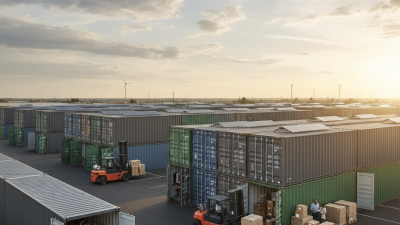
Top Uses of Sea Containers in Modern Shipping and Storage Solutions?
In recent years, the use of sea containers has revolutionized shipping and storage solutions. Experts like John Anderson, a leading figure in the logistics industry, highlight their significance: “Sea containers are the backbone of modern shipping.” This statement reflects the trend of integrating sea containers into various sectors.
Sea containers are no longer limited to transporting goods. They serve diverse purposes, from temporary housing to retail spaces. Their modular design allows for easy stacking and efficient use of space, maximizing storage capabilities. However, the widespread adoption of sea containers also raises concerns. Not all containers are created equal, and some may be poorly maintained.
The versatility of sea containers creates unique opportunities and challenges. While they enable cost-effective shipping and storage, improper use can lead to safety hazards. The industry must address these concerns to fully realize the potential of sea containers. Continuous improvement and safety assessments are essential for the future.
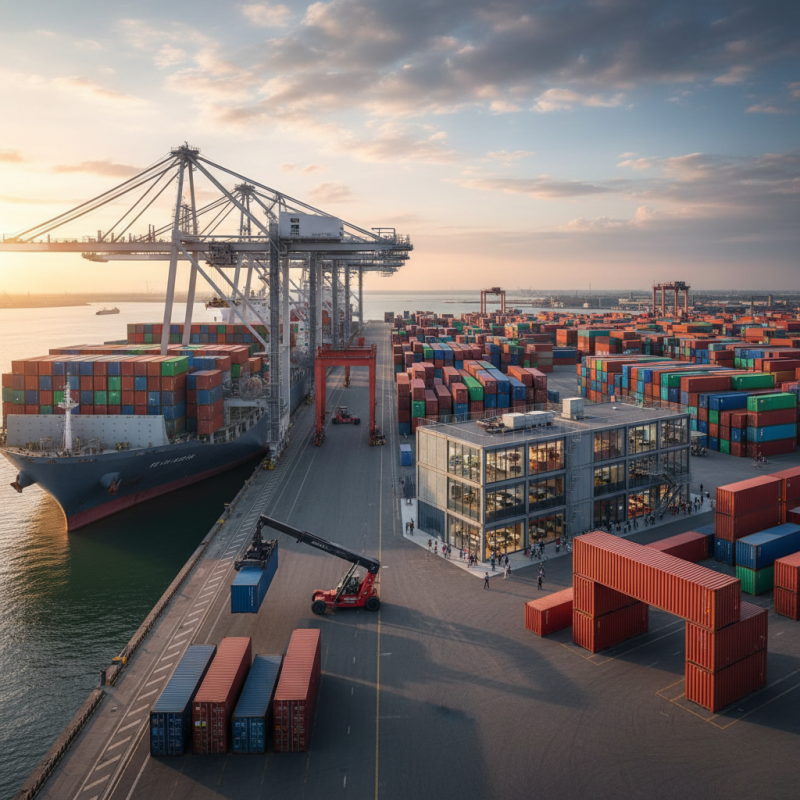
Advantages of Using Sea Containers in Shipping Industry
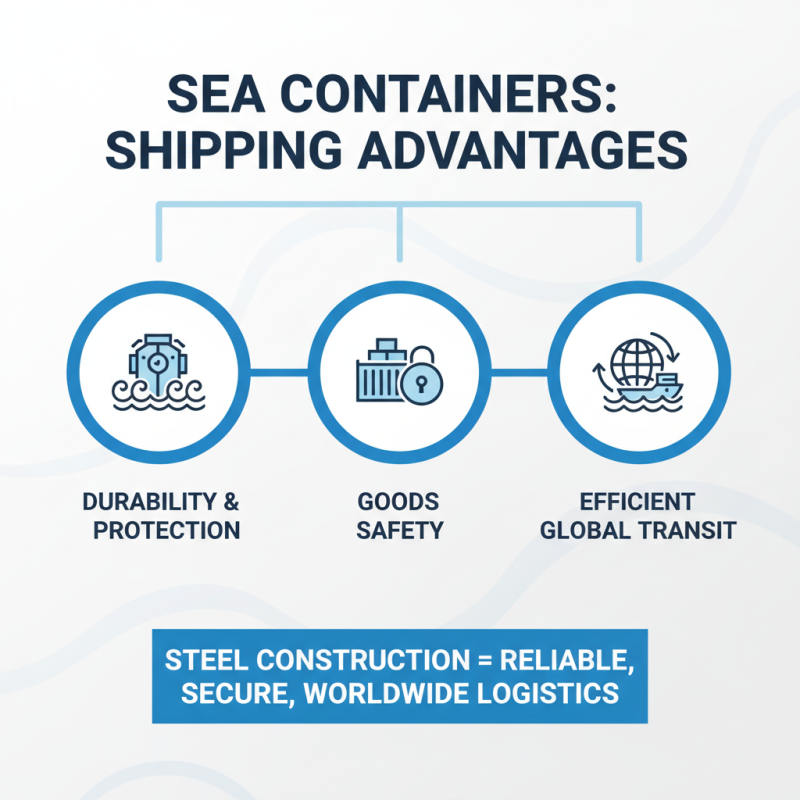
Sea containers have become vital in modern shipping. They offer several key advantages that benefit the industry greatly. One major advantage is their durability. Made from steel, these containers can withstand harsh weather and rough handling. They provide safety for goods during transit, which is essential for maintaining quality.
Another benefit is their versatility. Sea containers can be used for various goods, from electronics to food products. They are stackable, which optimizes storage space on ships and in warehouses. This flexibility helps reduce transportation costs. Additionally, containers can be repurposed for storage solutions on land.
However, there are challenges with sea containers too. Not all containers are perfectly maintained. This can lead to issues like rust or structural damage. Such problems may compromise the safety of stored or transported goods. Using containers for storage also requires some planning. Proper ventilation is crucial, especially when storing perishable items. These aspects need careful consideration to ensure efficiency in shipping and storage solutions.
Innovative Applications of Sea Containers Beyond Transportation
Sea containers have evolved beyond their traditional role in shipping.
They now serve various innovative purposes in storage solutions.
Many businesses utilize these containers for efficient space management.
For instance, on construction sites, they can serve as secure tool storage or temporary offices.
This application reduces clutter and increases productivity.
Transforming sea containers into pop-up shops is another creative use.
These shops offer a unique shopping experience while being cost-effective.
Located in busy urban areas, they attract foot traffic and provide flexible retail space.
Local markets benefit as well, allowing small vendors to thrive without hefty overhead costs.
Tips: When considering a sea container for your project, always factor in
insulation and ventilation. Proper preparation is essential.
Be mindful of the container's condition, as wear and tear can affect its usability. Lastly,
be open to exploring creative designs to maximize space and function.
Embrace the imperfections in the design, as they can inspire innovation.
Customizing Sea Containers for Diverse Storage Needs
Sea containers have transformed modern shipping and storage solutions. They are not just for transporting goods. Customizing these containers can meet various storage needs for businesses and individuals alike. From making portable offices to creating secure storage units, the possibilities are endless.
For those looking to customize, consider how to maximize space. Adding shelves or partitions can organize items effectively. Ventilation is vital for certain goods. You might need more ventilation than you think. Make sure to plan carefully to avoid wasted space. A poorly designed layout can lead to frustration.
Reusing old containers can save costs. However, inspect them thoroughly before usage. Look for rust or damage. Modifications might be necessary to ensure safety. Remember, customization can reflect personal style too. Paint your container in a bright color to stand out or use vibrant graphics. Such details can make a container feel less like storage and more like a part of the environment. The key is to reflect your needs while maintaining functionality.
Top Uses of Sea Containers in Modern Shipping and Storage Solutions
Future Trends in Sea Container Usage for Logistics and Shipping
The use of sea containers in logistics is evolving. They are not just for shipping anymore. Many businesses utilize them for storage solutions. Weather-resistant and modular, sea containers can serve different purposes. They can be repurposed into offices or even living spaces. This flexibility opens new possibilities.
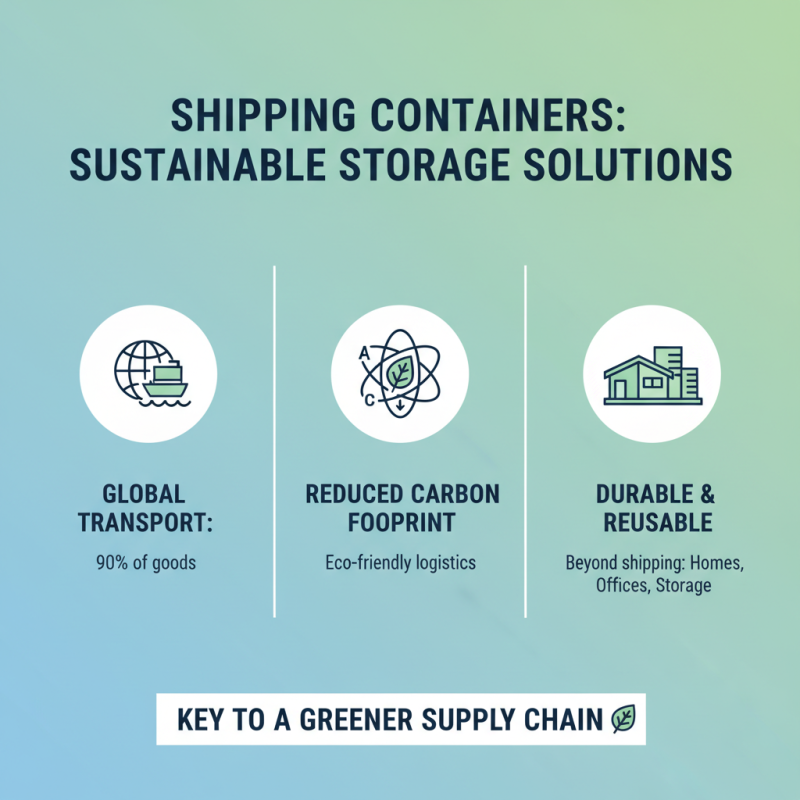
Looking ahead, sustainability will play a key role. More companies will opt for eco-friendly containers. This shift could reduce waste significantly. However, the initial costs may deter some businesses. Container leasing may rise in those cases. Adaptability will be crucial in facing future challenges.
Technological advancements will also shape usage patterns. Smart containers equipped with tracking systems are emerging. These can provide real-time data on cargo conditions. However, integrating technology often raises security concerns. Balancing innovation and safety will be essential. The future holds promise but requires careful consideration.