How to Use Small Shipping Containers for Various Storage Solutions?
In today’s rapidly changing world, small shipping containers have emerged as a popular storage solution. Reports indicate that the global demand for portable storage solutions is growing. The market for container-based solutions is expected to reach $7.5 billion by 2025. This trend highlights the versatility of small shipping containers in various settings.
Companies and individuals alike are discovering creative ways to use these containers. They serve as effective storage units for businesses facing space constraints. Homeowners utilize them as compact garden sheds or even pop-up shops. Yet, not all uses are equally practical. Some may find it challenging to optimize space. Others may struggle with potential zoning issues.
Despite their benefits, small shipping containers require thoughtful planning. It's crucial to consider ventilation, insulation, and placement. These factors can affect usability and comfort. With proper planning, they can provide innovative solutions. Overall, small shipping containers offer exciting possibilities but demand careful consideration.

Understanding the Benefits of Small Shipping Containers for Storage
Small shipping containers have gained popularity as versatile storage solutions. They offer many benefits that can enhance both personal and business storage options. One major advantage is their durability. Made from robust materials, they can withstand harsh weather conditions. This makes them an ideal choice for outdoor storage.
Another benefit is their portability. These containers can be moved with ease, allowing you to change locations without hassle. Imagine relocating your tools or seasonal items with minimal effort. Their compact size also helps save space. A small container can fit snugly in your backyard or driveway while still offering ample storage.
However, there are challenges to consider. Proper ventilation is crucial to prevent musty odors inside. You may need to invest in insulation if you plan to store sensitive items. Reflecting on your storage needs is essential before purchasing. Analyze what you will keep and how you want to access it. Small shipping containers can be a great option when maintained well.
Choosing the Right Size and Type of Shipping Container for Your Needs
Choosing the right size and type of shipping container can make all the difference for your storage needs. Consider what you plan to store. A small 10-foot container can hold gardening tools or seasonal decorations. But if you have larger items, like furniture or equipment, a 20-foot or 40-foot container might be more suitable.
Think about your location, too. A container for outdoor use must be durable against elements. If you're in a humid area, consider vents to prevent mold. Also, placing the container on a level surface is key for stability, but it can be tricky. Some areas may not be level, which could lead to issues later on.
Reflections on the intent behind your storage help guide your choice. If you're storing valuable items, security becomes a priority. Opt for containers with lockable doors. However, ensure that you also check for rust issues, as older containers may not seal tight. Understanding these factors can make your shipping container choice effective and practical.
How to Use Small Shipping Containers for Various Storage Solutions
| Container Type |
Dimensions (LxWxH) |
Capacity (Cubic Feet) |
Best Use Case |
| 10ft Standard Container |
10' x 8' x 8.5' |
672 |
Tools and Equipment Storage |
| 20ft Standard Container |
20' x 8' x 8.5' |
1,360 |
Furniture and Household Items |
| 20ft High Cube Container |
20' x 8' x 9.5' |
1,480 |
Large Goods and Machinery |
| 40ft Standard Container |
40' x 8' x 8.5' |
2,350 |
Bulk Storage and Inventory |
| 40ft High Cube Container |
40' x 8' x 9.5' |
2,695 |
Oversized Equipment and Supplies |
Creative Ideas for Organizing and Storing Items in Shipping Containers
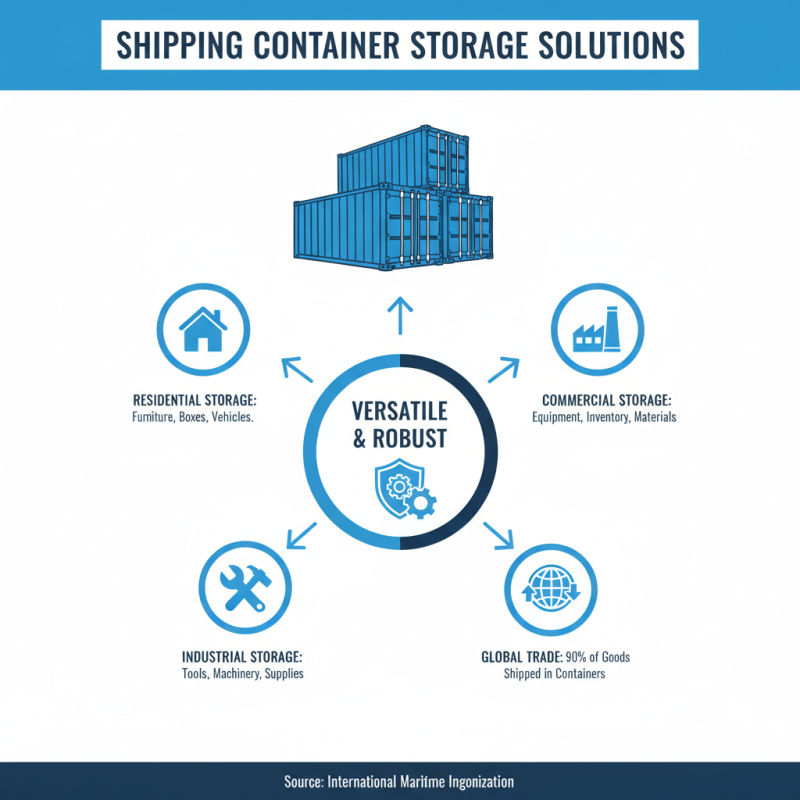
Shipping containers offer versatile storage solutions for various needs. Their robust design makes them suitable for diverse environments. A study by the International Maritime Organization indicates that around 90% of global goods are shipped in containers, highlighting their importance. This includes not just transport, but also storage.
To optimize space, consider partitioning the container. Dividers can help organize tools, seasonal clothes, or sports equipment. Creating sections makes items easier to find. Labeling each section can save you time. It's essential to keep a detailed inventory. This way, you avoid the chaos of rummaging through overstuffed sections.
However, it's crucial to evaluate the container's condition regularly. Corrosion and rust can develop over time. Proper ventilation can alleviate moisture problems, which may lead to mold. Using airtight bins within the container can further protect your items. Remember, effective storage requires ongoing attention and adjustment.
Implementing Security Features for Small Shipping Container Storage
When considering small shipping containers for storage, security features are essential. These containers can be a great option for personal or business use. However, their security must be prioritized. Simple locks might not be enough. A sturdy hasp can help, but it's not foolproof. Adding a heavy-duty padlock is a step up. This adds an extra layer of protection, but remember, no system is entirely secure.
Installing surveillance cameras nearby can enhance security. Motion detectors are another effective option. They can alert you to any unwanted movement. However, consider the positioning of these devices. Poor placement may leave blind spots. Additionally, using bright lights around the container can deter intruders. But sometimes, lights might not be practical. Reflective tape or signage can make containers more visible at night.
Ventilation is also important, yet not often considered. While securing the container, ensure air flow. This prevents moisture buildup that may lead to damage. Striking a balance between security and practicality can be challenging. With storage, there’s always a compromise. Consider these details carefully before finalizing your setup.
Maintaining and Caring for Small Shipping Containers to Ensure Longevity
Maintaining small shipping containers is vital for long-term use. Regular inspections can help identify issues early. According to industry reports, up to 30% of containers experience structural damage if not properly cared for. Ensure that rust and corrosion are addressed immediately. A few small spots can quickly worsen and compromise the container’s integrity.
Cleaning should happen routinely, especially after harsh weather. Use a mild detergent and water to wash the surfaces. This prevents buildup of dirt and mold. Statistics show that containers maintained in pristine condition can last over 25 years. In contrast, neglected ones often fail within a decade.
It’s essential to keep the container dry inside. Moisture can create a breeding ground for mold. Utilizing desiccants can help absorb any lingering dampness. Surprisingly, many owners overlook this step, leading to unforeseen repairs. Regular maintenance not only extends life but also maximizes storage efficiency.