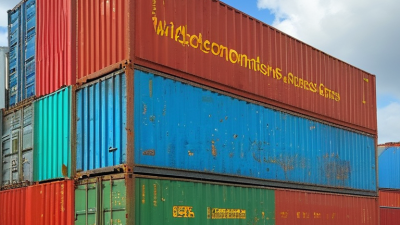
Top Benefits of Buying Second Hand Containers for Your Business?
In today’s business landscape, sustainability is key. One effective way to embrace this principle is by purchasing second hand containers. These containers offer a range of benefits that can significantly enhance your operations. By choosing second hand containers, you are not only saving money but also reducing environmental impact.
Many businesses overlook the potential of these containers. They often assume that new is better, but this isn’t necessarily true. Second hand containers can be just as reliable and functional as new ones, provided they are inspected and maintained. For instance, a used shipping container can be transformed into storage space or even a portable office at a fraction of the cost of brand new options.
The market for second hand containers has grown, offering a variety of sizes and conditions. Buying such containers provides flexibility and adaptability for various business needs. However, buyers must be cautious. Understanding the container's history and condition is crucial to avoid future complications. This careful consideration reflects a balance between cost and quality. By making informed decisions, businesses can benefit from the numerous advantages these containers provide.
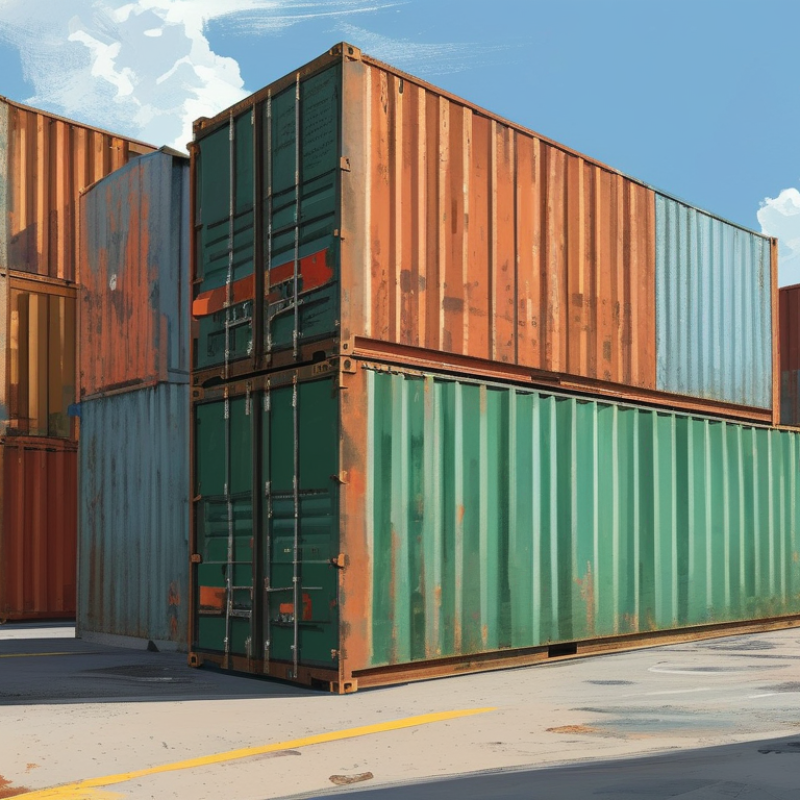
Advantages of Cost Savings with Second Hand Containers
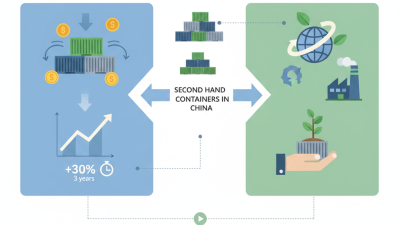
Buying second-hand containers can significantly benefit your business. The most immediate advantage is cost savings. Purchasing used containers often reduces expenses by 30-50% compared to new ones. This is crucial for startups or small enterprises with tight budgets. You can allocate those savings to other vital areas, such as marketing or product development.
Another benefit lies in availability. Second-hand containers come in various sizes and conditions. This diversity allows businesses to find a container that meets their specific requirements. The environmental impact is also a consideration. Opting for second-hand containers promotes sustainability by reducing waste and encouraging recycling. However, it's essential to assess each container carefully. Some may show wear and tear, requiring repairs.
While the cost savings are enticing, businesses must engage in thorough research. It is vital to find reliable suppliers to ensure quality. Poor decisions might lead to unexpected repair costs down the line. Understanding the condition of each container before purchase is crucial for long-term success.
Environmental Benefits of Choosing Used Containers for Business
Choosing second-hand containers can greatly benefit both your business and the environment. The reuse of shipping containers can significantly reduce waste. According to a report by the Environmental Protection Agency (EPA), recycling one ton of metal can save 1,400 pounds of iron ore, 1,000 pounds of coal, and 120 pounds of limestone. By purchasing used containers, businesses contribute to this recycling process.
Not only does buying second-hand help reduce landfill waste, but it also cuts down on the carbon footprint. A study by the World Economic Forum noted that the shipping industry emits about 2-3% of global carbon dioxide emissions. By opting for second-hand containers, businesses can lower their production impact. Each container reused can prevent the need for new manufacturing processes, which are energy-intensive.
When purchasing used containers, inspect them for structural integrity. This ensures safety and longevity. Check for any signs of rust or damage that could compromise their effectiveness. Additionally, always verify the certification of the containers to align with your business needs. Investing in proper containers, even if used, reflects a commitment to sustainability.
Flexibility and Versatility of Second Hand Shipping Containers
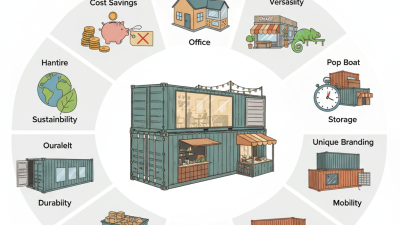
Second hand shipping containers offer impressive flexibility and versatility for businesses. They can serve various purposes, from storage to pop-up shops. Many companies have repurposed containers into offices, reducing construction costs significantly. A single container can transform into a unique workspace, allowing for creative designs.
Customization is another advantage. Containers can be modified easily to suit specific needs. Businesses can add windows, doors, and ventilation systems. This adaptability allows companies to create spaces that reflect their brand identity. However, careful planning is necessary. Proper insulation and ventilation are crucial, especially in extreme climates.
Using second hand containers can also present challenges. Finding a container in good condition may take time. Some may show signs of wear and require repairs. Additionally, not all containers are suitable for conversion. This means businesses must conduct thorough inspections before making a purchase. Despite these potential hurdles, the benefits often outweigh the difficulties, leading to innovative solutions for various business needs.
Enhanced Customization Options for Second Hand Containers
Buying second-hand containers offers unique customization opportunities. Many businesses find these containers versatile for various applications. They can be transformed into mobile offices, storage units, or even food kiosks. The existing structure provides a solid foundation, making it easier to modify for specific needs.
Customization options are enhanced when you buy second-hand. You can choose from different sizes and materials that fit your requirements. Some containers may already have features like windows or insulation, saving you time. Additionally, the imperfections in these containers often tell a story. Each scratch or dent can add character to your project.
While second-hand containers offer many benefits, it’s essential to inspect them thoroughly. Pay attention to rust or structural issues that might require repairs. A little wear can be good, but extensive damage could pose challenges. Understanding these potential drawbacks helps you make informed decisions. A well-chosen second-hand container can elevate your business while remaining budget-friendly.
Availability and Accessibility of Affordable Used Containers
Buying second-hand containers presents unique advantages for businesses. One notable benefit is the availability and accessibility of affordable used containers. In many regions, there is an abundant supply of these containers due to various industries cycling through their inventory. This results in a lower investment for businesses, especially startups or smaller ventures that may not have extensive capital.
Additionally, the affordability of used containers can provide flexibility in budgeting. Companies can utilize these funds for other essential areas like marketing or product development. It's essential, however, to critically assess the containers before purchase. Some might show signs of wear or could require repairs. Not every used container is in prime condition, and that is where reflective decision-making can shine. A thorough inspection can save future costs, even if it adds a bit of time to the buying process.
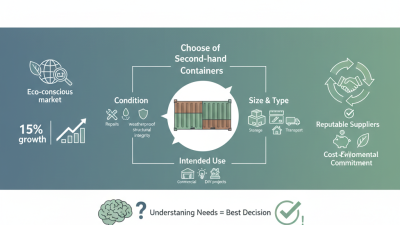
While the cost savings are appealing, businesses must consider how the container meets their specific needs. The right size and structure are crucial for operational efficiency. Without careful consideration, businesses risk purchasing a container that isn't suitable. This careful selection process can lead to better long-term satisfaction, ensuring the investment aligns with the company's goals.