How to Choose Self Storage Containers in 2026?

Choosing self storage containers in 2026 requires more than comparing prices online. Container size, material, ventilation, access, security, and delivery conditions can affect both cost and usability. The Self Storage Association’s 2023 Demand Study reported that 14.5 million U.S. households used self-storage in 2022. That figure shows continuing demand, but it does not make every container suitable for every customer. Needs vary sharply.

Size changes everything. A household storing sofas needs different internal clearance than a contractor storing boxed tools. Measure twice. Then check the door width, floor loading, and placement area. Steel containers usually provide strong weather resistance, while modified units may offer better ventilation and easier access. However, modifications can reduce usable space or increase maintenance requirements. This is where product specifications matter more than attractive photographs.

Industry reports can guide decisions, but they cannot replace inspection. Yardi Matrix’s National Self Storage Report regularly tracks occupancy, rental rates, and market performance across major U.S. markets. CBRE’s self-storage research also highlights how location, supply, and operating conditions influence facility performance. These reports support a practical point: container value depends on its environment, not just its purchase price. A coastal site may demand stronger corrosion protection. A hot, humid location may require vents, raised flooring, or moisture controls.

A reliable choice should include a written condition report, clear delivery terms, lock compatibility, and a realistic access plan. Ask about drainage after heavy rain. Check the roof seams. Small oversights become expensive later. I would not treat one “best” container as a universal answer. That assumption is convenient, but probably wrong. In 2026, the smarter approach is matching container design to contents, climate, handling frequency, and the facility’s documented standards.
How to Choose Self Storage Containers in 2026?

What Self-Storage Containers Are and How They Work

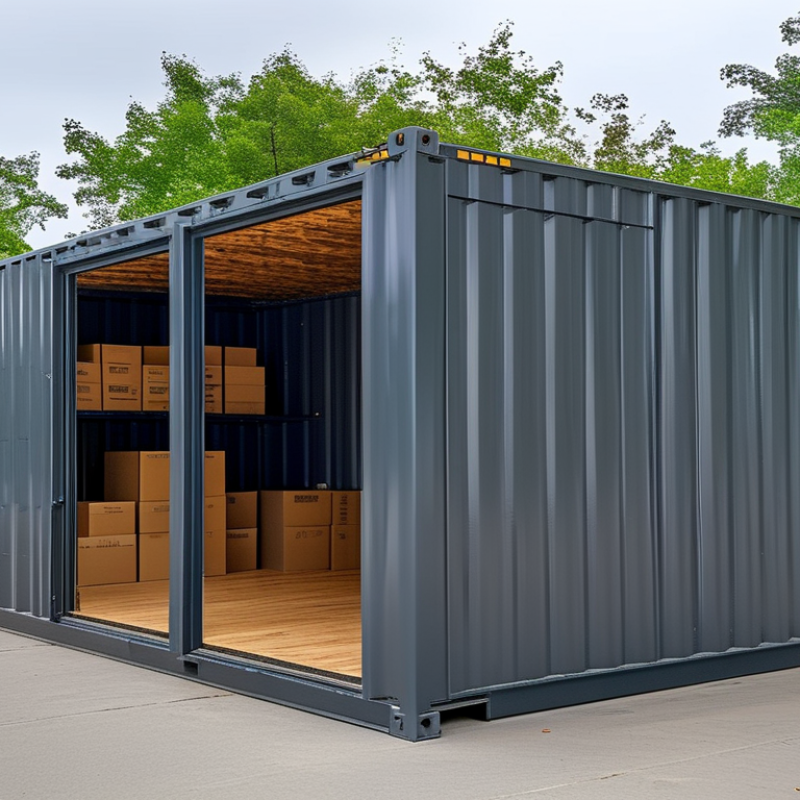
Self-storage containers are secure, movable storage units delivered to a home, workplace, or storage yard. They are usually made from steel or reinforced composite panels. Their walls protect furniture, tools, records, and boxed household goods from rain, dust, and casual contact. A container is not just an empty box. Its floor, door seals, ventilation, and locking points affect storage performance.

The working process is simple. A delivery vehicle places the container on level supports, leaving enough clearance for doors to open fully. The user loads items, distributes weight evenly, and closes the weather-resistant doors. A personal lock controls access, while ventilation helps reduce trapped moisture. I always check the floor before loading. Small water marks can reveal drainage problems. Do not ignore them.

Choosing the right container in 2026 requires more than measuring your belongings. Measure large items, door widths, and the available placement area. Check internal height, usable floor space, ventilation, and the condition of the door frame. Climate control may be important for paper, electronics, or sensitive fabrics. It is also wise to confirm how delivery, collection, and access scheduling work. Convenience can hide limitations. A larger unit may seem safer, but unused space can increase cost and encourage careless stacking. Keep heavy boxes low, label every side, and leave a narrow walkway for inspection. Perfect planning is difficult. Regular checking still matters.

Which Container Size, Material, and Design Fits Your Needs

How to Choose Self Storage Containers in 2026?

Choosing a storage container starts with the items you actually own. Measure your largest furniture, then add walking space and access room. A compact container suits boxes, tools, and seasonal decorations. Medium units handle appliances and small-room furniture. Larger containers fit household contents, but unused air can increase costs. I once underestimated door clearance and had to rearrange everything outside. Measure twice.

Material affects protection and maintenance. Steel containers offer strong security and resist daily impacts. However, they may become hot inside during sunny weather. Insulated panels help control temperature changes, especially for wooden furniture, electronics, and documents. Plastic containers are lighter and easier to move, but thinner walls may flex under pressure. Look for sealed doors, raised floors, drainage, and ventilation openings. Condensation can quietly damage stored items.

Tips: Choose a container with doors wide enough for your heaviest item. Keep boxes above the floor using pallets or shelving. Leave a small air gap around walls. Label every box on two sides. Avoid packing fragile items against metal panels. Check the container after heavy rain, even when the unit appears dry. Some design choices seem minor, yet they often decide whether storage feels simple or frustrating.

How to Choose Self Storage Containers in 2026?

Which Container Size, Material, and Design Fits Your Needs?

Standard dry-storage containers are generally made from weather-resistant corten steel and commonly use corrugated side panels, wooden floors, and lockable cargo doors. The chart compares approximate internal volumes for widely used nominal container lengths. A 10-foot container suits seasonal items and small moves, a 20-foot container is suitable for household contents or business stock, and a 40-foot container provides the highest capacity for large-scale storage.

Actual internal dimensions can vary by manufacturer and container design. Check door type, ventilation, floor condition, corrosion protection, insulation requirements, and site access before selecting a unit.

Approximate volume figures are based on commonly published internal capacities for standard dry containers: 10 ft ≈ 14.3 m³, 20 ft ≈ 33.2 m³, and 40 ft ≈ 67.7 m³.

How to Compare Security, Accessibility, and Weather Protection

How to Choose Self Storage Containers in 2026?

How to Compare Security, Accessibility, and Weather Protection

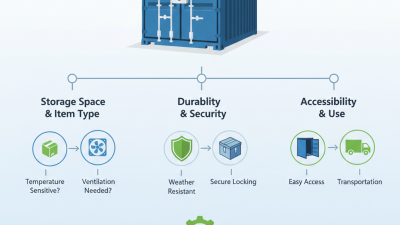
Security should be checked on site, not assumed from attractive photos. Look for controlled entry, bright pathways, visible cameras, and an access log. Each container should accept a strong personal lock and show no damaged hinges or loose panels. Ask how staff respond to alarms and unauthorized entry. Clear answers matter.

Accessibility affects every visit. Measure the route from your vehicle to the container. A narrow lane can make bulky furniture frustrating to move. Check opening hours, lighting, ramps, lifts, and trolley availability. Visit during busy periods if possible. You may discover delays that a quiet tour hides. Keep frequently used items near the front.

Weather protection requires more than a sealed door. Inspect the roof, floor, drainage, door gasket, and ventilation openings. A raised container floor can reduce contact with rainwater. Still, moisture may collect inside when warm air meets cold walls. Use pallets, breathable covers, and space between boxes and panels. Avoid storing delicate items without checking local temperature changes.

I once focused too much on security and ignored drainage; that was a poor comparison. A dry site after heavy rain can reveal more than a sales explanation. Ask about inspection routines, maintenance records, and procedures after storms.

Do not choose the cheapest option automatically. Compare the container’s condition, your travel distance, and the protection your belongings actually need.

What Costs, Rental Terms, and Location Factors to Evaluate

How to Choose Self Storage Containers in 2026?

Price is only the visible part of a storage container’s cost. Ask for the complete monthly estimate before signing anything. Include rent, deposits, administrative charges, insurance, locks, delivery, and pickup fees. A low advertised rate may expire after the first month. Check the expected price after any promotional period. Ask whether rates can change, how much notice you will receive, and whether renewal happens automatically. Read late-payment rules carefully. Some contracts add fees quickly. That detail matters.

Rental terms should match your real storage timeline. Month-to-month agreements offer flexibility, but longer terms may reduce the monthly rate. Confirm the minimum rental period and required cancellation notice. Ask whether early removal still requires full payment. The wording can be surprisingly unclear. Request a written copy of every fee and condition. For valuable furniture, documents, or electronics, confirm moisture control, ventilation, and insurance requirements. A container exposed to heat and damp air can damage contents even when it looks secure.

Location affects both convenience and risk. Measure the driving time during your usual schedule, not only on a quiet weekend. Check opening hours, vehicle access, lighting, drainage, and the surface beneath the container. A poorly drained site may collect water after heavy rain. Visit the location before paying. Look at turning space for delivery vehicles and the distance from parking to the container. I once underestimated access time; repeated trips became frustrating. Cheap storage is not cheap when every visit costs an hour.

How to Choose Self Storage Containers in 2026? - What Costs, Rental Terms, and Location Factors to Evaluate

Evaluation Area Container or Factor Typical 2026 Planning Data What the Cost or Term Usually Includes Key Questions to Ask Before Renting Cost Impact
Container Size and Typical Monthly Pricing
Storage capacity 8-foot container Approximately 160–200 cubic feet; commonly suitable for boxes, seasonal items, or a small room Usually the lowest-cost option; delivery, pickup, lock, insurance, and taxes may be charged separately Will shelving or irregularly shaped items reduce usable space? Low
Typical planning range: $80–$180/month
Storage capacity 10-foot container Approximately 400–500 cubic feet; often suitable for the contents of a one-bedroom apartment May be delivered to a property or kept at a secured storage facility, depending on the service model Is the container placed on-site, and is the delivery area accessible to a truck? Low to Medium
Typical planning range: $120–$250/month
Storage capacity 20-foot container Approximately 1,100–1,200 cubic feet; often suitable for a two- to three-bedroom household Provides substantially more capacity but may require a larger delivery footprint and stronger ground support Is there enough clearance for delivery, placement, and future removal? Medium
Typical planning range: $180–$350/month
Storage capacity 40-foot container Approximately 2,300–2,500 cubic feet; generally used for large households, business inventory, or equipment Higher capacity and transportation requirements; access restrictions can increase delivery and relocation fees Can the site support the container's length, weight, and turning radius? High
Typical planning range: $300–$600/month
Rental Terms and Contract Costs
Contract length Month-to-month rental Flexible cancellation; many agreements require approximately 7–30 days' notice Useful for renovations, moving delays, temporary inventory, or uncertain storage periods Can the monthly rate change, and how much notice is required before cancellation? Medium
Usually costs more per month than a long-term commitment
Contract length 6- to 12-month commitment Longer commitment may qualify for a lower base rate or promotional pricing Less flexibility; early termination may require notice, a fee, or payment through the agreed term Is the discounted rate permanent or limited to the first few months? Low to Medium
Potential savings of roughly 5%–15% versus flexible terms
Price structure Introductory rate and standard rate Promotional pricing may apply for the first 1–3 months, followed by the standard monthly rate Comparing the full 12-month cost is more reliable than comparing only the initial price What is the regular rate after the promotion, and how often may it be adjusted? High
First-year cost can be materially higher than the advertised initial rate
Additional fees Delivery, pickup, administration, lock, insurance, tax, and access fees One-time or recurring charges vary widely by distance, container size, and service level Transportation and handling can represent a significant share of the total cost Can the provider give an itemized quote showing every one-time and recurring charge? High
Budget an additional 10%–30% above the advertised base rate until confirmed
Payment conditions Automatic billing and late-payment policy Monthly billing is common; late fees, access suspension, or lien procedures may apply after nonpayment Payment dates and grace periods should be stated clearly in the agreement What are the late fees, grace period, and procedures for disputed charges? Medium
Usually avoidable with accurate payment scheduling
Location, Access, and Site Conditions
Distance Near-home or near-business location Shorter travel distance reduces fuel use, driving time, and the cost of frequent visits Particularly important when accessing tools, inventory, documents, or household items regularly How many visits are expected each month, and what is the real round-trip travel cost? Low
Potentially saves time and transport expenses
Access schedule Business-hours, extended-hours, or 24-hour access Access windows vary; some locations restrict access outside staffed hours or during holidays Extended access may cost more but can be valuable for business and emergency retrievals Are access hours guaranteed, and is there an additional access fee? Medium
Higher access flexibility may increase the monthly rate
Delivery footprint Driveway, parking area, or commercial loading zone A large container truck may require approximately 60–100 feet of straight clearance, depending on equipment and site layout Overhead branches, narrow gates, steep grades, soft ground, and parked vehicles can prevent placement Will the delivery vehicle fit, and who is responsible for permits or site preparation? High
Failed delivery or relocation can create substantial extra charges
Ground conditions Level, firm, and well-drained surface Concrete or compacted gravel is generally more suitable than soft soil or areas prone to flooding Stable placement improves door operation and reduces moisture and settlement risks Will the container be elevated, leveled, or placed on protective supports? Medium
Site preparation may be required before delivery
Climate and moisture Weather exposure and ventilation Metal containers are not automatically climate-controlled; condensation can occur when temperatures fluctuate Use pallets, moisture absorbers, and breathable covers; climate-controlled storage may be preferable for sensitive goods How are water intrusion, condensation, temperature, and humidity managed? Medium to High
Climate control usually increases the monthly cost
Security Lighting, fencing, cameras, locks, and monitoring Security features vary by location and do not eliminate theft risk The renter may need to supply an approved lock and comply with prohibited-item rules Who monitors the site, what lock type is required, and what incidents are covered? Medium
Enhanced security may be reflected in the rental rate
Regulatory restrictions Zoning, permits, homeowners' association, and property rules Local rules may limit container placement, duration, setbacks, appearance, or commercial use Approval may be required before delivery, especially for residential lots or visible street-facing placement Do local authorities, landlords, insurers, or property associations require written approval? High
Noncompliance can lead to relocation, fines, or removal
Suitability and Total-Cost Decision
Item protection Furniture, electronics, documents, clothing, or business inventory Temperature-sensitive, moisture-sensitive, flammable, perishable, and hazardous items may require special handling or may be prohibited Insurance coverage and exclusions should be reviewed before moving items into the container Are my items allowed, insured, and protected against the specific risks at this location? High
Replacement risk can exceed rental savings
Total cost of ownership 12-month effective cost Monthly rent × 12 + delivery + pickup + taxes + insurance + preparation + expected travel costs The lowest advertised monthly rate is not necessarily the lowest total-cost option What is the complete first-year cost, and what changes if the rental continues beyond one year? High
Use the effective annual cost for final comparison
Planning note: The dollar ranges are broad U.S. planning estimates for 2026 and are not guaranteed quotes. Actual prices vary by city, container condition, delivery distance, access type, insurance requirements, local taxes, season, and contract length. Always request a written, itemized quote and verify the rental agreement before signing.

How to Inspect, Select, and Prepare a Container in 2026

How to Choose Self Storage Containers in 2026?

The Self Storage Association’s 2023 Demand Study reported 16.7 million U.S. households used self-storage in 2022. That demand makes careful container selection important. Measure furniture, boxes, and walking space before choosing a unit. A standard 20-foot container offers roughly 33 cubic meters, but usable space is lower after shelving and pallets.

Inspect the container in daylight. Check the roof for dents, standing water, and patched seams. Open both doors fully. They should move smoothly and close without forcing. Examine the floor for soft spots, stains, and chemical odors. Inspect corner posts and locking bars for heavy corrosion. Confirm the identification plate and dimensions. ISO 668 provides internationally recognized container sizing standards, which helps prevent delivery surprises.

Preparation protects contents better than appearance alone. Place cartons on pallets, leaving air beneath them. Keep boxes several centimeters from the walls. The U.S. Environmental Protection Agency recommends indoor relative humidity between 30% and 50%; use a hygrometer and moisture absorbers when conditions fluctuate. Never store damp textiles or freshly cleaned furniture. They may look dry outside while retaining moisture inside.

My practical mistake would be trusting new paint too quickly. Paint can hide repairs, not eliminate leaks. Photograph the empty container, record existing damage, and test the lock before loading. A small access error can become an expensive unloading problem.