How to Choose the Right Container Storage Units?
Choosing the right container storage units starts with what you need to store, how often you need access, and where the unit will sit. A steel container beside a workshop may suit tools and seasonal equipment. A unit holding furniture needs enough clear floor space for careful loading and airflow around stored items. Small details matter. A door that opens onto a narrow driveway can turn routine access into a daily frustration.
The Self Storage Association’s 2024 Self-Storage Demand Study reports that 11.1% of U.S. households use self-storage. That figure describes the wider self-storage sector, not container storage alone, so it should be treated as context rather than a direct market measure. It still points to a practical reality: storage needs are common, but no single unit works for every household or business. Compare usable dimensions, weather protection, ventilation, security features, delivery access, and rental terms before deciding.
Tim Dietz, president and CEO of the Self Storage Association, is a relevant industry voice; however, no verified quotation from him about container storage units was supplied or established here. Rather than invent one, this guide uses a simple test: choose for the items you have, the access you need, and the conditions the unit will face. It is not always easy to estimate space accurately. Measure larger items, allow room for safe loading, and question any recommendation that relies only on a container’s exterior size.
Identify What You Need to Store and How Much Space It Requires
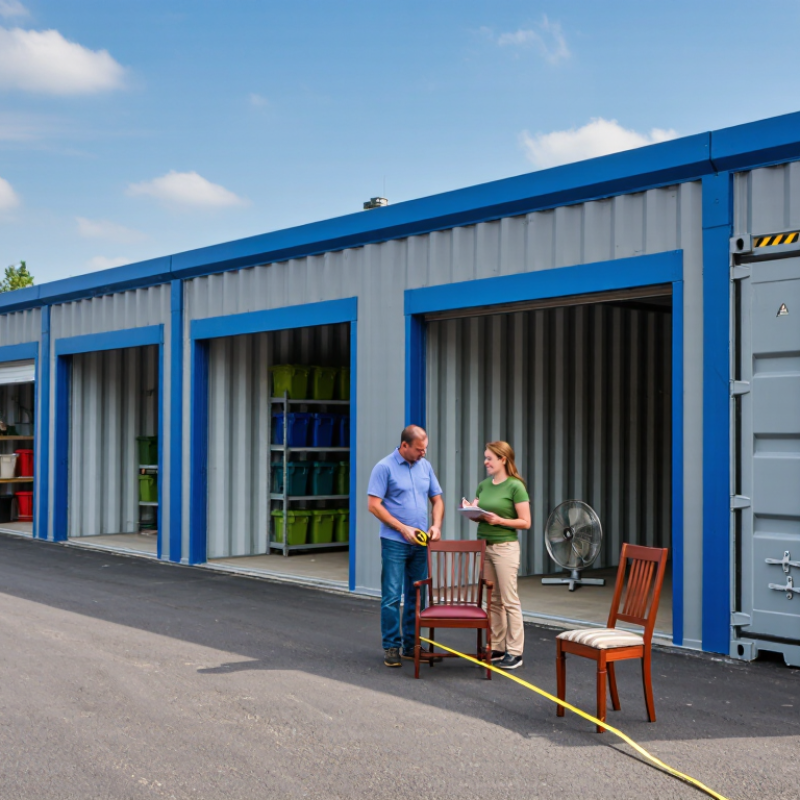
Choosing a container storage unit starts with an honest inventory. List each item, then measure bulky pieces such as sofas, shelving, and appliances. Estimate the space they occupy when packed, not just their individual dimensions. A dismantled table may fit neatly, while a narrow bookcase can waste valuable room. Leave space for safe stacking and a clear path to items you may need later.
Think about how often you will visit the unit. Seasonal decorations can go toward the back, but work tools or frequently used boxes should stay near the entrance. Note any items that need extra care, such as furniture that should remain dry or boxes that should not bear weight. A simple floor plan can help, though real packing rarely follows it perfectly. Adjust as you go.
Tips: Use boxes of similar sizes where practical, and label two sides. Measure the doorway and check access hours before choosing a unit. Keep a small aisle if you expect repeat visits. Don’t pack to the ceiling just to save space.
Compare Container Types, Sizes, and Storage Configurations
Choosing container storage units starts with the items you need to store and how often you need access. A standard 20-foot container suits many household or worksite loads, while a 40-foot unit offers more floor space for bulky equipment. Measure your largest item, including handles and packaging, before choosing. A tape measure helps.
Container type matters, too. Standard steel units work well for general storage in many weather conditions. High-cube containers provide extra height for tall shelving or stacked, lightweight goods. Open-side models can make loading wide items easier, though their doors need clear space. Refrigerated units may suit temperature-sensitive goods, but they require power and regular equipment checks. More features do not always mean a better fit.
Think through the interior configuration before delivery. Keep a clear walkway from the doors, place frequently used items near the entrance, and use sturdy shelves that can be secured. Leave room for airflow, especially if stored materials may collect moisture. A level, well-drained base helps doors operate smoothly. I would still recheck the layout after loading; real boxes rarely fit the neat plan on paper. Also compare site access, delivery clearance, and the turning space needed for placement.
How to Choose the Right Container Storage Units?
Compare container types by approximate internal storage volume.
Typical internal volume: A 20-foot standard container holds about 33 m³, a 40-foot standard about 67 m³, and a 40-foot high-cube about 76 m³. Figures are approximate; dimensions and usable space vary by manufacturer.
Choosing a configuration: Use a single unit for compact storage, place units side by side when you need separate access, or stack only where the containers, ground, and installation are suitable for stacking.
Assess Site Access, Placement Conditions, and Security Needs
A good container storage unit begins with a delivery route that actually works. Check gate width, overhead branches, turning space, and the ground where the truck must stop. A large vehicle may need more room than the site plan suggests. Measure twice. Keep the route clear of parked cars and soft shoulders; a heavy unit can settle unevenly after rain. The Self Storage Association’s 2023 Fact Sheet estimates that 11.1% of U.S. households rent self-storage, underscoring why convenient access matters to many customers.
Placement affects both durability and security. Choose firm, level ground with drainage that carries water away from the doors. Avoid low spots where puddles linger, and confirm that the chosen position does not block emergency routes or routine site traffic. FEMA’s National Risk Index provides county-level hazard information, including flood and wind exposure, which can help guide site reviews. For security, favor visible locations with good lighting and clear sightlines. Cameras can help, but they do not replace sound access control or regular checks. A tidy plan can still feel awkward once delivery vehicles start turning.
Tips: Walk the route at delivery-truck scale, not just on foot. Check the site after heavy rain, too. Trim sightline-blocking shrubs, inspect locks, and record who has access. One detail is easy to miss: placing units close together may save space but make doors harder to reach.
Inspect Unit Condition, Weather Protection, and Ventilation
When choosing container storage units, inspect the unit in person if possible. Look for deep rust, dents near the frame, cracked seals, and gaps around the doors. Open and close each door; it should move smoothly and sit flush when shut. Check the floor for soft spots or a musty smell. Small defects can become bigger problems after months of storage.
Weather protection depends on more than a solid-looking roof. Check the roof seams and corners for water marks, and look beneath the unit after rain if you can. The ground should be level, with drainage that carries water away rather than toward the doors. I still find damp floors easy to overlook during a quick visit. A flashlight helps reveal dark stains and pinholes that are hard to spot in daylight.
Tips: Ask how the unit is ventilated and whether vents are clear. Airflow can reduce trapped moisture, but it will not make a leaking unit dry. Store items with space between them and the walls, and avoid blocking vents. Check the interior again after the first rainy week. Small checks matter.
Compare Rental Terms, Delivery Costs, and Long-Term Value
When comparing container storage units, look beyond the advertised monthly rate.
Check the rental term, renewal rules, and charges for early pickup or extending the contract. A low rate may require a longer commitment. That matters if your renovation, seasonal inventory, or move runs late. Ask for the full written estimate, including taxes and any site-access fees.
Delivery can change the real cost.
Confirm whether the quote includes drop-off, pickup, and a return visit if placement needs adjusting. Measure the entrance, turning space, and ground area before scheduling. A truck may need more clearance than expected. Soft soil after rain can also make placement difficult, even when the driveway looks wide enough.
I have to admit, these details are easy to underestimate on paper.
For long-term value, compare the total cost over the period you expect to use the unit, not just one month.
Consider whether you need climate control, frequent access, or extra space around stored items. A larger unit can seem convenient, yet unused square footage adds cost each month. Ask how maintenance issues are handled and how quickly service is available. Your needs may change; leave some room for that possibility.