What Are Container Storage Units and How Do They Work?
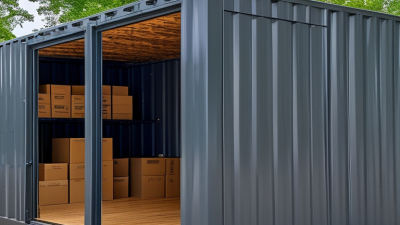
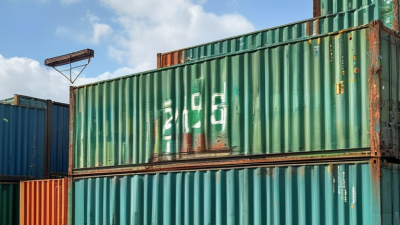
Container storage units are steel boxes adapted for secure, practical storage. They often begin as retired shipping containers, then receive inspections, repairs, ventilation, and lockable access points. Their familiar corrugated walls can protect furniture, tools, inventory, and seasonal equipment from rain, dust, and direct sunlight.
The concept is simple. A supplier delivers the unit to a prepared site, or places it inside a storage yard. You load items through the end doors, distribute weight across the floor, and secure the opening with a strong lock. Air vents help reduce trapped moisture, although they cannot solve every climate problem. A roof leak, damaged seal, or poor ground position can still harm contents.
Containerization expert Marc Levinson wrote, “The container made shipping cheap.” That observation also explains why container storage units became widely useful. Standard dimensions make transportation predictable, while steel construction supports repeated handling. Yet this solution is not perfect. Internal heat can rise sharply on sunny days. Condensation may appear when warm air meets cool metal. That detail is easy to overlook.
A responsible provider should explain the unit’s condition, floor capacity, access rules, delivery limits, and insurance expectations. Customers should inspect seals, check for odors or pests, and avoid storing items that require controlled temperature or humidity. Local planning requirements may also apply, depending on placement and property use.
The best choice depends on duration, location, budget, and the sensitivity of stored goods. Measure twice. Load carefully. This guide explores how container storage units work, where they perform well, and which practical limitations deserve closer attention.
What Are Container Storage Units?
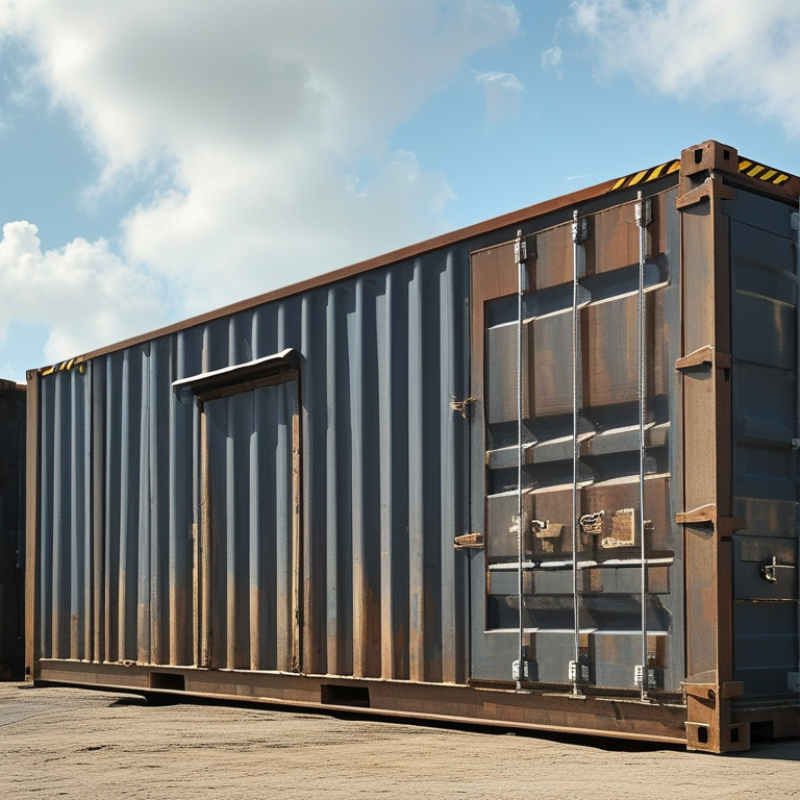
Container storage units are steel boxes designed for transport, then reused for secure storage.
Most follow ISO 668 dimensions, including common 20-foot and 40-foot lengths. A 20-foot unit offers roughly 33 cubic meters of internal space. That is enough for furniture, seasonal equipment, or several business pallets.
UNCTAD’s Review of Maritime Transport 2024 places containerized cargo at roughly 17% of global seaborne trade by volume in 2023. This scale explains why containers are widely available and structurally consistent.
Their corrugated steel walls resist rain, impact, and daily handling. However, a container is not automatically climate-controlled. Temperature changes can create condensation on metal surfaces. Sensitive documents, electronics, and fabrics may need extra protection.
A practical inspection matters.
Check the door seals, floor condition, ventilation points, and locking area before loading. A slightly uneven floor can damage shelving or make heavy items shift. Pallets keep boxes above the floor and improve airflow. Leave a narrow gap along the walls when possible.
The Self Storage Association’s 2024 demand research reported that about one in eight U.S. households used self-storage, showing steady demand for accessible space. Still, demand does not remove operational risks.
I would inspect the unit after heavy rain and during seasonal temperature changes. That small habit is easy to overlook.
How Container Storage Units Are Designed
Container storage units are designed as secure, movable rooms built around a strong steel frame. Corrugated steel walls resist rain, wind, and daily impacts. The corner posts carry much of the weight. This allows units to be stacked or transported safely when properly supported.
Inside, the floor usually sits above ground level. This reduces contact with damp surfaces. Treated wooden flooring can support boxes, tools, and household equipment. Double doors open widely, making bulky items easier to load. A simple locking area protects the doors without creating unnecessary complexity. Small vents encourage airflow, although they cannot remove moisture completely. In changing weather, condensation may still appear on metal surfaces. That detail is easy to overlook.
Tips: Keep items on pallets, leave a small gap beside the walls, and avoid blocking vents. Check the roof, door seals, floor, and lock area before storing anything. Choose level ground with clear access for delivery and removal. Drainage matters. A unit placed in a low, wet area may develop problems faster. Inspect stored items occasionally, especially during seasonal temperature changes. No design is perfect. Good placement and sensible loading often matter just as much as the container itself.
How Container Storage Units Work
What Are Container Storage Units and How Do They Work?
How Container Storage Units Work
Container storage units usually use weather-resistant steel boxes designed for repeated transport and handling. ISO 668 defines standard container dimensions, helping cranes, trucks, and storage sites work with consistent measurements. The common 20-foot unit offers about 33 cubic metres of internal space, while a 40-foot unit provides roughly twice that capacity.
The process is straightforward. A delivery truck places the unit on firm, level ground, often beside a home, farm, or construction site. You load items through the end doors, distribute weight evenly, and secure the doors with a heavy-duty lock and protected locking bar. Airflow matters. Small vents reduce stagnant air, although they cannot remove moisture completely.
UNCTAD’s Review of Maritime Transport 2024 states that around 80% of global merchandise trade by volume moves by sea. That scale explains why these units are built for stacking, lifting, and harsh weather. Yet a shipping container is not automatically a perfect storage room. Condensation can form on the steel ceiling when temperatures change. Cardboard boxes may soften, and metal tools may rust. Elevating sensitive goods, leaving small air gaps, and checking the unit after rain can help. Still, users sometimes overestimate the protection provided by steel. A dry-looking interior today proves very little about next season.
What Are Container Storage Units and How Do They Work?
Container storage units are durable, enclosed steel spaces used to store household goods, equipment, inventory, and construction materials. They can be delivered to a site or placed at a storage facility, loaded through opening doors, and secured with a lock. The chart compares the typical internal storage volume of common container sizes.
How they work: A container is delivered or positioned at the storage location, belongings are loaded through the end doors, and the doors are secured with a lock. Standard 20-foot containers typically provide about 1,172 cubic feet of internal space, while larger 40-foot models provide approximately twice the capacity. Actual dimensions and usable space can vary by manufacturer, construction, and door configuration.
Common Uses of Container Storage Units
Container Storage Units and Their Common Uses
Container storage units are steel boxes designed to hold belongings, equipment, and business stock. They are delivered to a property or placed at a storage site. Their strong walls protect contents from rain, dust, and everyday handling. Access usually depends on the facility’s schedule, security procedures, and delivery arrangement.
Many households use these units during renovations or relocations. Furniture, boxed kitchenware, bicycles, and seasonal decorations can stay nearby instead of filling a spare room. Small businesses use them for extra inventory, display materials, tools, or archived records.
A contractor might store timber and sealed equipment beside a work area, while a community group may keep folding tables and event supplies inside. The practical advantage is flexibility. However, space can become expensive when a unit remains half-empty for months. That deserves honest review.
Tips
Place items on pallets to improve airflow. Keep a clear path near the doors. Label every box on two sides, not just the top. Use moisture absorbers, but do not treat them as complete protection. Some materials, such as delicate electronics or important paper records, may need climate-controlled storage. Check the unit’s condition before loading, including the roof, floor, door seals, and lock points. Photograph valuable contents and keep a simple inventory. A little preparation prevents frustrating searches later.
Benefits and Limitations of Container Storage Units
What Are Container Storage Units and How Do They Work?
Benefits and Limitations of Container Storage Units
A container storage unit is a steel box designed for cargo movement and temporary storage. Most units use lockable double doors and sit on concrete blocks or prepared ground. ISO 668 defines common external dimensions, including 20-foot and 40-foot formats. A 20-foot unit provides roughly 33 cubic meters of internal space. UNCTAD’s Review of Maritime Transport 2024 reports that ships carry about 80% of global merchandise trade by volume. This explains why containers are widely available and structurally standardized.
Their main benefits are capacity, mobility, and relatively quick installation. Steel walls can resist impact, wind, and ordinary weather exposure. Businesses can store tools, furniture, seasonal inventory, or construction materials without building permanent rooms. However, protection has limits. Condensation may form on the ceiling during temperature changes. Door seals can weaken. Unpaved ground may cause uneven loading and difficult door operation. A unit is weather-resistant, not automatically waterproof. Heat can also become severe inside, especially under direct summer sunlight.
Tips: Inspect the roof, floor, hinges, and seals before delivery. Use a raised, level foundation. Leave ventilation space around stored goods. Add shelving only after checking wall strength and weight distribution. Keep moisture-sensitive items in sealed, elevated containers. The overlooked detail matters. Recheck the unit after heavy rain and strong wind. Storage plans often fail through small assumptions, not dramatic damage.