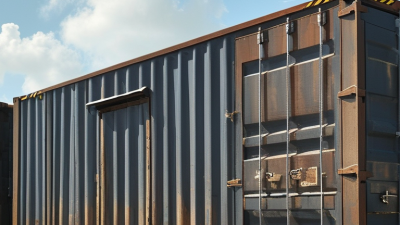
The best shipping container storage type in 2026 depends on space, access, climate, security, and handling frequency. A coastal warehouse may need different equipment than a rural construction site. That sounds obvious, yet many buyers compare prices before checking daily workflow.
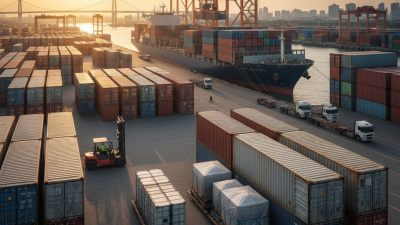
Global logistics conditions make this decision more important. UNCTAD’s Review of Maritime Transport 2024 projected continued growth in seaborne trade after a difficult period of disruption. More cargo movement can increase temporary storage pressure near ports, rail terminals, and distribution centers. The World Bank’s Logistics Performance Index 2023 also emphasized reliability, tracking, infrastructure, and service quality. Storage is part of that chain. A poorly positioned container can create delays, extra handling, and avoidable damage.
This guide compares standard dry containers, high-cube units, refrigerated containers, open-top models, side-opening designs, and modified storage containers. Each option solves a different problem. High-cube containers provide useful vertical capacity for boxed inventory. Refrigerated units protect temperature-sensitive goods, but they require dependable power and maintenance. Side-opening containers improve access when forklifts cannot reach the rear. Small details matter, including door clearance, floor condition, ventilation, drainage, and lock placement.
There is no universal winner. Not even close.
Our evaluation uses practical handling experience, manufacturer specifications, port-storage considerations, and findings from established logistics reports. Readers should still verify local weather exposure, site loading limits, insurance terms, and supplier condition reports before purchasing. Some recommendations may change as freight patterns, energy costs, and equipment availability shift. That uncertainty deserves attention, because the cheapest container can become the most expensive choice after installation.

In 2026, standard dry containers remain the most practical storage choice. They protect furniture, tools, packaged goods, and building materials from rain and dust. Dry units remain versatile. High-cube versions offer extra internal height for tall shelving and bulky equipment. A 40-foot high-cube unit can feel surprisingly spacious, but poor loading still wastes valuable room. Measure twice.
Refrigerated containers suit temperature-sensitive products that need controlled conditions. Operators should check power supply, temperature records, door seals, and emergency procedures before use.
Open-top containers help store tall machinery because cargo can load through the roof. Side-opening units provide wider access, which reduces handling time for pallets and long items. They may cost more and need additional clearance on the opening side.
Modified containers with ventilation, insulation, or internal partitions support specialized storage, but modifications should be inspected carefully. I have seen attractive conversions fail because condensation was ignored. That lesson is easy to overlook.
In 2026, remote humidity and temperature sensors can improve oversight, although sensors cannot replace physical inspections. Check floors, corner posts, locks, and roof panels regularly. Choose the container type according to cargo dimensions, access frequency, climate, and handling equipment, not appearance alone.
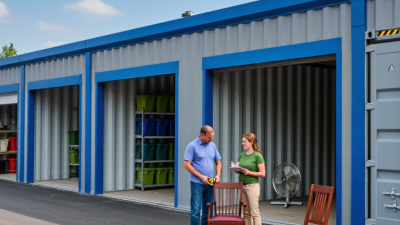
Shipping container storage works in several practical ways, depending on access, weather, and the goods stored. Ground-level storage places containers on prepared gravel or concrete. A truck can deliver the unit, and doors open directly from the ground. This option suits equipment, furniture, and boxed inventory that needs frequent access.
Portable storage works differently. The container is loaded at your property, then moved by a suitable vehicle. You pack it once. The unit stays on-site or travels to a storage yard. On-site placement needs firm ground, drainage, and enough clearance for delivery equipment. A slight slope can cause doors to bind. That detail is easy to overlook.
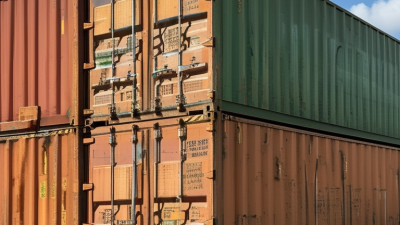
Stacked depot storage uses lifting equipment to place containers in rows or tiers. It saves space, but access may require advance notice and repositioning. Rack storage can improve organization for empty containers, though it depends on tested frames and strict weight limits. Temperature-sensitive goods may need refrigerated containers with continuous electrical power. They also require temperature checks, airflow around the unit, and a backup plan for outages.
Container condition matters more than appearance. Check door seals, roof leaks, floor damage, ventilation openings, and interior odors before loading. Keep heavy items low and spread the weight evenly. Moisture can still form inside a sealed container when temperatures change. Desiccant products and airflow gaps may help, but neither fixes wet goods placed inside. I have found that access planning is often underestimated; a cheaper storage type becomes inconvenient when every retrieval needs special handling.
Choosing the best container storage type begins with the goods, not the container. A standard steel unit may suit tools, pallets, and weather-resistant materials. They need control. Paper records, textiles, electronics, and furniture can suffer from condensation, heat, or sudden temperature changes. Ventilated units reduce trapped moisture, while insulated units provide steadier internal conditions. However, ventilation cannot fix poor packing or damaged door seals.
Site conditions also determine the right choice. A dry, level surface helps prevent standing water and uneven door movement. Frequent loading requires clear vehicle access and enough turning space. For long-term storage, inspect the roof, floor, corner posts, locking bars, and rubber seals. Small defects often become expensive problems after heavy rain. Security needs vary too; valuable equipment may require reinforced locking points, lighting, and controlled access.
Storage duration and handling frequency influence cost. A short project may justify a standard unit, while sensitive materials may need temperature-controlled storage. Extra height can help with shelving, but it may increase placement restrictions. Ask for inspection records and weather-resistance evidence. Check local fire, planning, and access requirements before delivery.
I have seen teams choose the cheapest option, then spend more on moisture damage and repeated relocation. That mistake is easy to repeat.
Choosing the best shipping container storage type starts with the items you need to protect. A standard 20-foot container suits household contents, tools, and seasonal equipment. A 40-foot model offers more floor space, but it can become difficult to organize. Measure your largest items before comparing prices. Leave walking space, too. Packed storage is rarely convenient storage.
Material and Durability Material affects durability, temperature, and maintenance. Weathering steel resists outdoor exposure, while marine-grade plywood flooring handles heavy loads better than thin panels. Inspect corner posts, door seals, roof lines, and floor damage in person when possible. I once selected a container by appearance alone and missed a small roof leak. That mistake became expensive after one storm. A fresh coating may look impressive, but it cannot repair weakened steel.
Features should match your site and daily routine. Locking bars, ventilation openings, and secure door hardware improve practical protection. Forklift pockets help during relocation, while shelving systems make smaller containers more useful. For moisture-sensitive contents, consider airflow and use raised pallets, not direct floor contact. Check internal height as carefully as length; low ceilings limit stacked equipment. My comparison process still has a weakness: I sometimes value capacity over access. That choice saves space, but it can create frustrating unloading work later. Reliable suppliers should provide clear dimensions, condition reports, and maintenance records.
For 2026, the safest storage type is not automatically the largest container. Choose a dry van for general goods, a high-cube unit for bulky loads, and a refrigerated unit only when temperature control is essential. Confirm the CSC safety plate, structural condition, and rated load limits before placement. Under IMO-backed SOLAS rules, shippers must verify container weight before ocean transport. The same discipline matters on land. Unknown weight creates lifting and foundation hazards. Keep units on level, drained supports, with doors facing away from traffic.
Safety inspections should examine corner posts, roof seams, locking bars, floors, and ventilation openings. Look for bent steel, sharp edges, oil residue, mold, and daylight through roof panels. The World Shipping Council’s 2024 Containers Lost at Sea Report recorded 221 lost containers in 2023, compared with 41 in 2022. Those figures concern vessels, but they reinforce a practical lesson. Poor loading and shifting forces can defeat assumptions. Leave clearance between units, limit stacking, and follow a site engineer’s wind assessment. A checklist helps, but it will never replace judgment.
Security needs controlled keys, visitor records, lighting, and tamper-evident seals meeting ISO 17712. Photograph seal numbers during handover. Maintenance should include quarterly roof and door checks, immediate rust treatment, and dry, raised flooring. Temperature-controlled units require documented calibration and alarm testing. UNCTAD’s Review of Maritime Transport 2024 states that over 80% of global merchandise trade moves by sea. That scale makes small storage failures worth correcting early. Minor leaks are easy to dismiss, until stored materials absorb water.